 Save
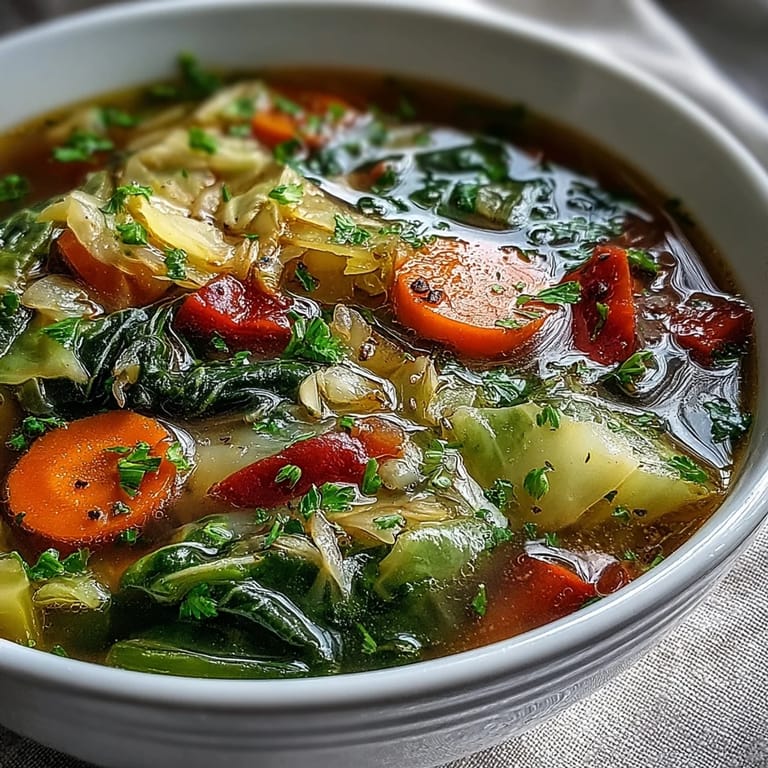
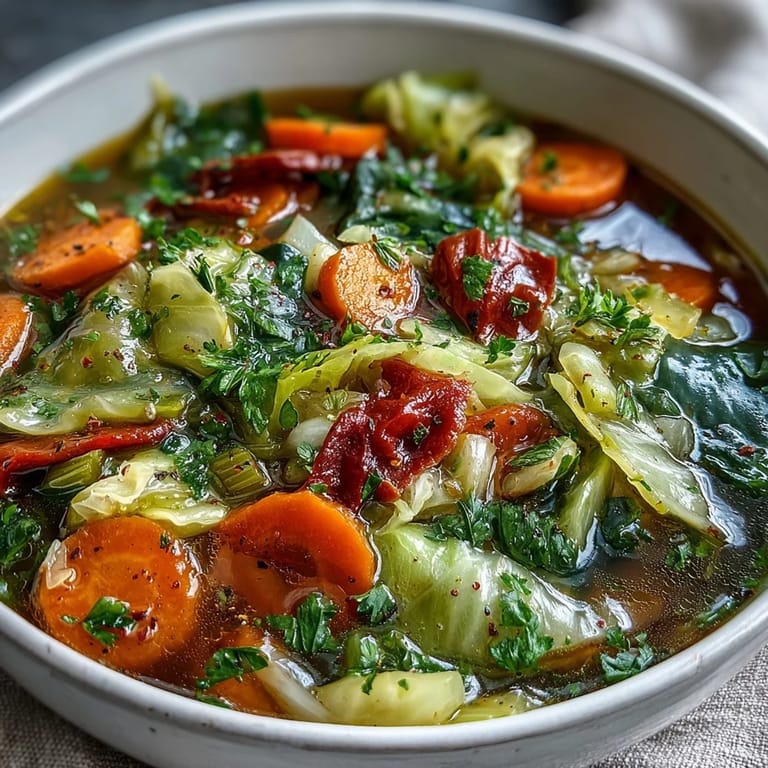
Save There's something quietly powerful about a pot of cabbage soup simmering on the stove—the way the kitchen fills with that gentle, earthy warmth without any fuss or drama. I stumbled onto this recipe during a stretch when I was trying to eat simpler, lighter meals, and what surprised me most was how deeply satisfying something so humble could be. The vegetables soften into each other, the broth picks up their quiet sweetness, and before you know it, you're on your second bowl without meaning to. It's the kind of dish that doesn't demand your attention while cooking, which feels like a small kindness on a busy day.
I made this for my neighbor one winter when she wasn't feeling well, and she texted me later saying she'd had three bowls and finally felt like herself again. That's when I realized this soup isn't just food—it's the kind of thing that makes people feel looked after. The simplicity of it became its own kind of medicine, nothing complicated or showy, just vegetables and broth and the care of showing up with something warm.
Ingredients
- 1 small green cabbage (about 700 g), cored and chopped: The backbone of the soup—its mild, slightly sweet flavor becomes almost creamy when cooked down, and it holds its texture better than you'd expect.
- 2 medium carrots, peeled and sliced: They add natural sweetness and body; I always slice them thin enough to cook through but thick enough to stay recognizable.
- 2 celery stalks, sliced: The aromatic foundation that gives the broth depth without screaming celery at you.
- 1 medium onion, diced: This should be your starting point in the pot—it's the base note that everything else builds on.
- 3 cloves garlic, minced: Add it after the softer vegetables have started to soften, or it can turn bitter and bitter.
- 1 red bell pepper, diced: A touch of brightness and color; it softens completely and adds a subtle sweetness.
- 400 g (1 can) diced tomatoes: Use canned without guilt—they're picked at peak ripeness and bring acidity and body that keeps the soup from tasting flat.
- 1 small zucchini, diced (optional): I add this when I have it, but leave it out without hesitation if you don't—the soup doesn't need it to be complete.
- 1.5 liters vegetable broth (low sodium preferred): The liquid that carries all the flavor, so choose one you'd actually drink on its own.
- 1 tablespoon olive oil: Just enough to let the vegetables release their flavor without making the soup heavy.
- 1 teaspoon dried thyme and 1 teaspoon dried oregano: These two work together to add an herbal warmth that feels almost automatic and familiar.
- 1/2 teaspoon ground black pepper and 1/2 teaspoon salt: Start conservative with salt—you can always add more, but you can't take it back.
- 1/4 teaspoon chili flakes (optional): A whisper of heat that wakes up your palate without announcing itself.
- Juice of 1/2 lemon (optional): This is the secret weapon—a squeeze of brightness that makes everything taste more like itself.
- Fresh parsley, chopped, for garnish: Not just decoration; it adds a final note of freshness that reminds you this is alive and vibrant.
Tired of Takeout? 🥡
Get 10 meals you can make faster than delivery arrives. Seriously.
One email. No spam. Unsubscribe anytime.
Instructions
- Build your flavor base:
- Heat the olive oil in your pot over medium heat, then add the onion, carrots, and celery all together. Let them soften for about 5 minutes, stirring now and then—you're not looking for color, just tenderness and release. Listen for that quiet sizzle; it means you're on the right track.
- Wake up the garlic:
- Stir in the minced garlic and cook for just 1 minute until it becomes fragrant and golden. This step matters because garlic transforms from sharp to mellow, and you want to catch it at that exact moment.
- Add the colorful vegetables:
- Now bring in the bell pepper, zucchini if you're using it, and the chopped cabbage. Sauté for another 3 to 4 minutes, stirring as you go—watch how the cabbage starts to soften and the whole pot turns vibrant. The kitchen should smell incredible by now.
- Bring in the broth and tomatoes:
- Pour in the diced tomatoes with their liquid and all 1.5 liters of vegetable broth, then add your thyme, oregano, black pepper, salt, and chili flakes if you want that gentle heat. Give everything a good stir to combine the seasonings evenly.
- Let it simmer gently:
- Bring the pot to a boil, then turn the heat down to low, cover it, and let it bubble quietly for 25 to 30 minutes. This is when you can step away—the soup will take care of itself and become more flavorful with time. When the vegetables are completely tender, you'll know it's ready.
- Taste and adjust:
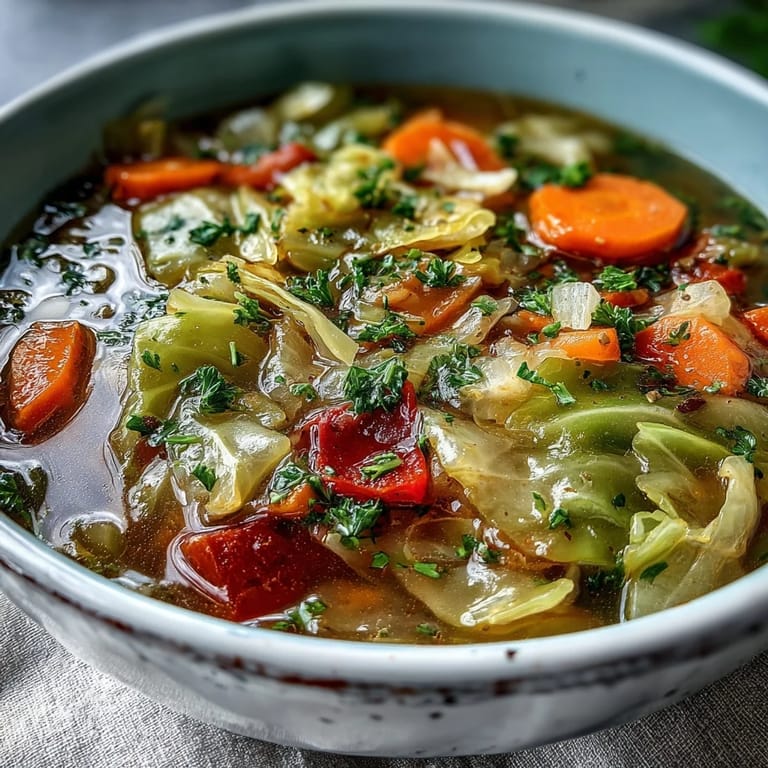
- Give it a final taste and add more salt if it needs it, then squeeze in the lemon juice if you want that brightness. Stir in some fresh parsley and ladle it into bowls—serve it hot and watch people come back for more.
 Save
Save 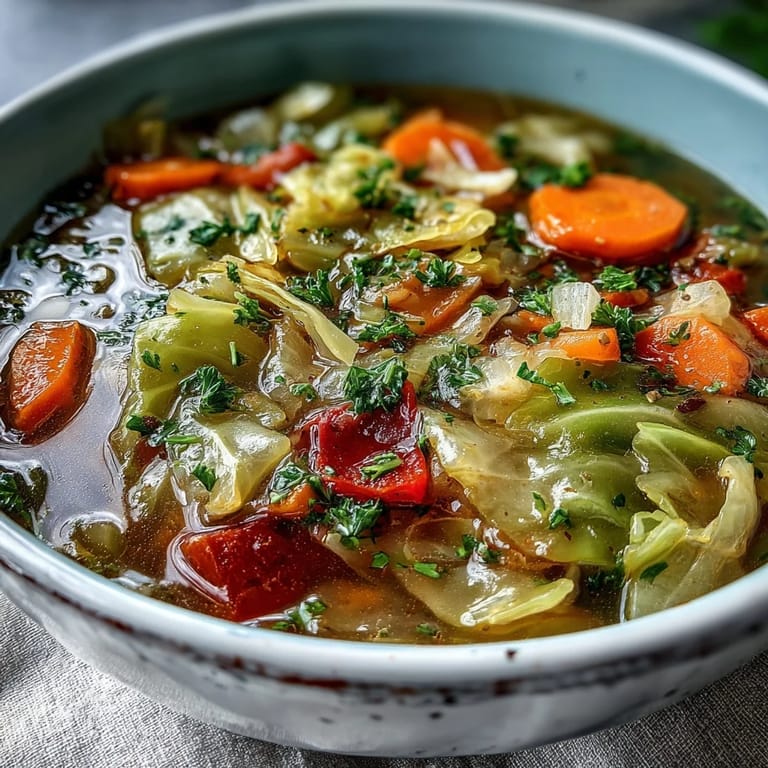 Save
Save There was a moment when I realized I'd been making variations of this soup for nearly two years, always keeping it in my back pocket for when I needed something nourishing and quick. What started as a budget-friendly experiment became something I genuinely looked forward to making, and that shift felt important—this is the kind of recipe that earns its place through quiet reliability rather than fireworks. People ask for the recipe less because it sounds impressive and more because they remember how it made them feel.
Variations That Work
The beauty of this soup is how it adapts without losing its soul. Add a can of white beans or chickpeas if you want more protein and heartiness, or toss in a handful of spinach or kale in the final 5 minutes for extra greens—they'll wilt right into the broth and disappear. I've made it with different herb combinations, added a splash of coconut milk on days when I wanted richness, and even used roasted instead of fresh garlic when I had it on hand. The formula stays the same, but you're never making the exact same soup twice.
Storage and Make-Ahead Wisdom
This soup actually improves overnight as the flavors settle and deepen, which means making a big batch on Sunday pays dividends all week. Store it in an airtight container in the refrigerator for up to 4 days, or freeze portions in smaller containers for up to 3 months—reheat gently on the stovetop rather than aggressively in the microwave so the vegetables stay tender. I've also learned that if you're planning to freeze it, hold back on the lemon juice and parsley garnish and add those fresh when you serve it.
Serving Suggestions and Pairings
Serve this on its own as a light meal, or pair it with something grounding like crusty whole-grain bread, a simple green salad, or even a grain bowl if you're turning it into lunch. It's also beautiful as a first course before something more substantial, and I've even served it as a savory breakfast on cold mornings. The soup is flexible enough to be whatever you need it to be in that moment.
- A thick slice of whole-grain bread transforms this from soup to full meal.
- A dollop of dairy-free yogurt or a sprinkle of nutritional yeast adds unexpected richness if you want it.
- Keep a batch in the freezer for those moments when you need something nourishing right now, no planning required.
 Save
Save 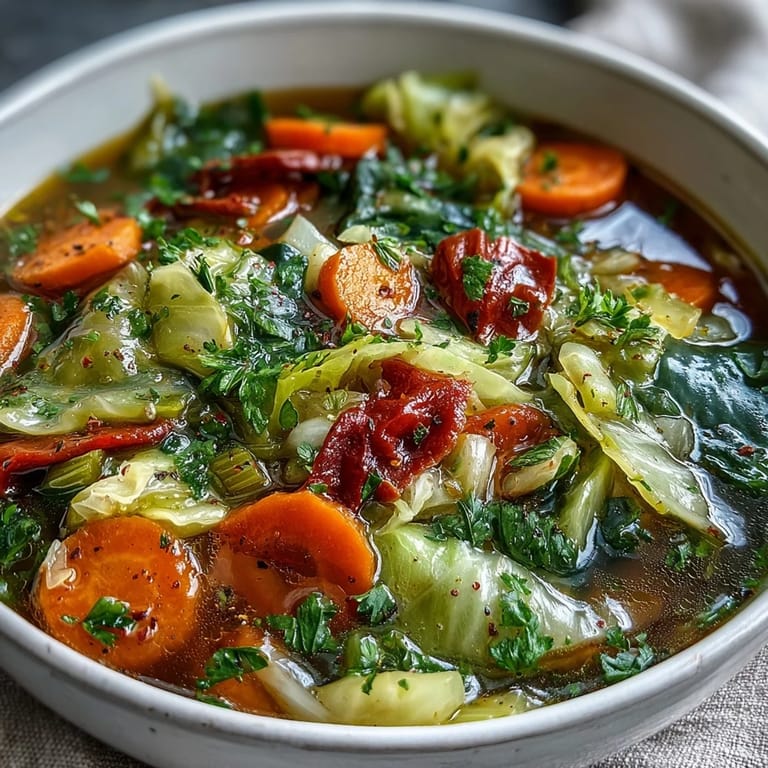 Save
Save This soup has become my go-to reminder that the best dishes aren't the fanciest ones—they're the ones that take care of you and show up when you need them. There's real comfort in knowing how to make something this good with ingredients you probably already have.
Recipe FAQs
- → Can I use a different type of cabbage?
Yes, you can substitute with savoy cabbage, Napa cabbage, or red cabbage. Keep in mind that red cabbage may slightly change the color of the broth.
- → How can I make this soup more filling?
Add protein-rich ingredients like white beans, chickpeas, or lentils. You can also serve it with whole-grain bread or add diced potatoes for extra substance.
- → Can I freeze this soup?
Absolutely! This soup freezes beautifully for up to 3 months. Let it cool completely before transferring to freezer-safe containers. Thaw overnight in the refrigerator before reheating.
- → What other vegetables can I add?
Feel free to add green beans, spinach, kale, turnips, or mushrooms. Add heartier vegetables at the beginning and leafy greens during the last 5 minutes of cooking.
- → How do I store leftovers?
Store in an airtight container in the refrigerator for up to 4 days. The flavors actually deepen and improve overnight, making it perfect for meal prep.
- → Can I make this in a slow cooker?
Yes! Sauté the aromatics first, then transfer everything to a slow cooker. Cook on low for 6-7 hours or high for 3-4 hours until vegetables are tender.