 Save
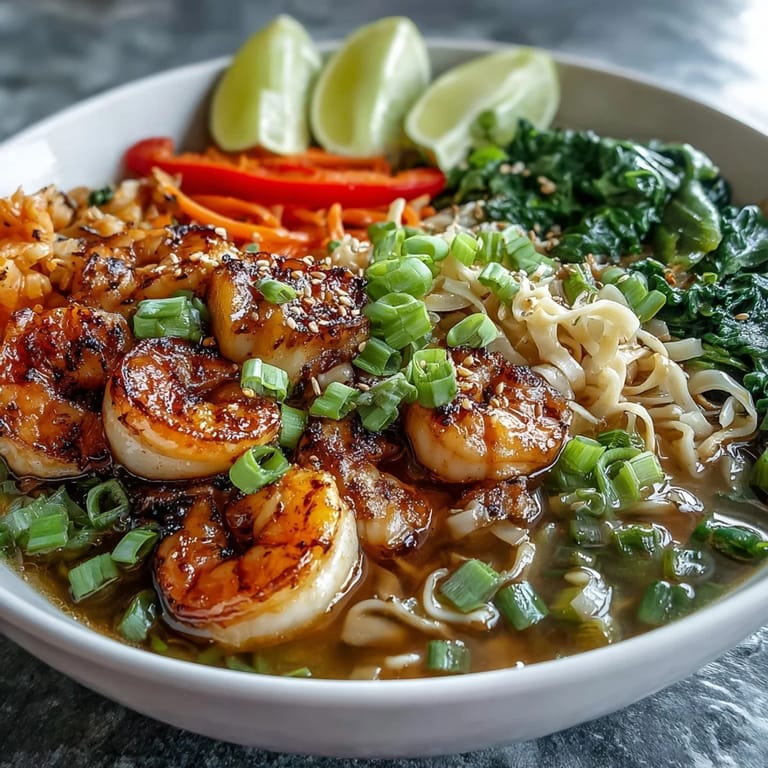
Save There's something almost meditative about watching seafood cook in a fragrant broth, the steam rising up with ginger and garlic. My neighbor brought over a bowl of something similar on a rainy Tuesday, and I spent the entire evening trying to recreate it from memory, taste, and a lot of happy accidents. This Asian noodle bowl became my answer to those evenings when I wanted something that felt both comforting and a little bit special, something that made the kitchen smell incredible without requiring hours at the stove.
I made this for my sister when she was visiting from out of town, and she took one spoonful and immediately asked for the recipe. We sat at the kitchen counter while the second batch was cooking, and she told me about a market she'd found in her new city where they sold fresh bok choy every morning. Food became an excuse to talk about home, about the places we'd been, about what we were both craving.
Ingredients
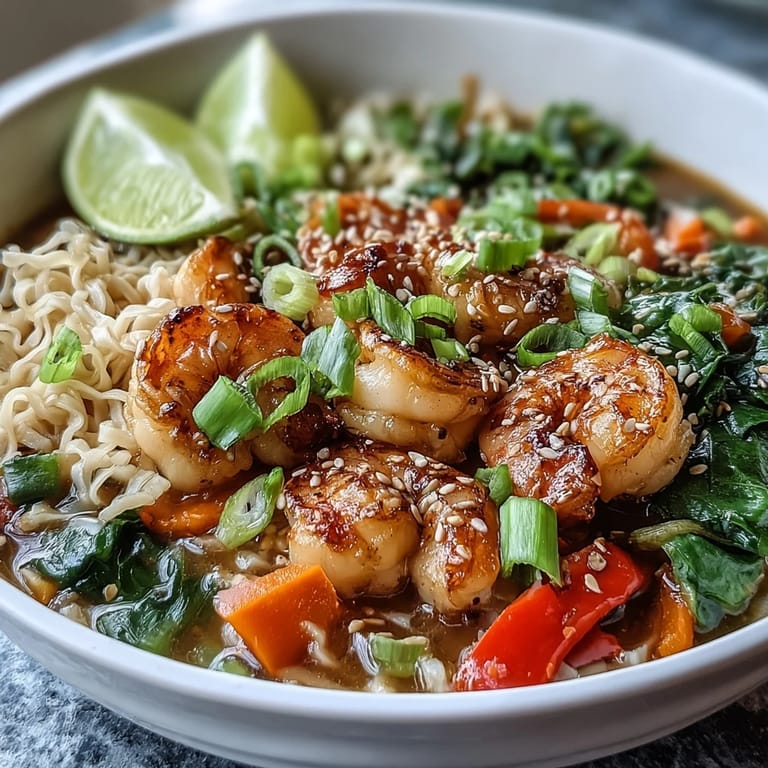
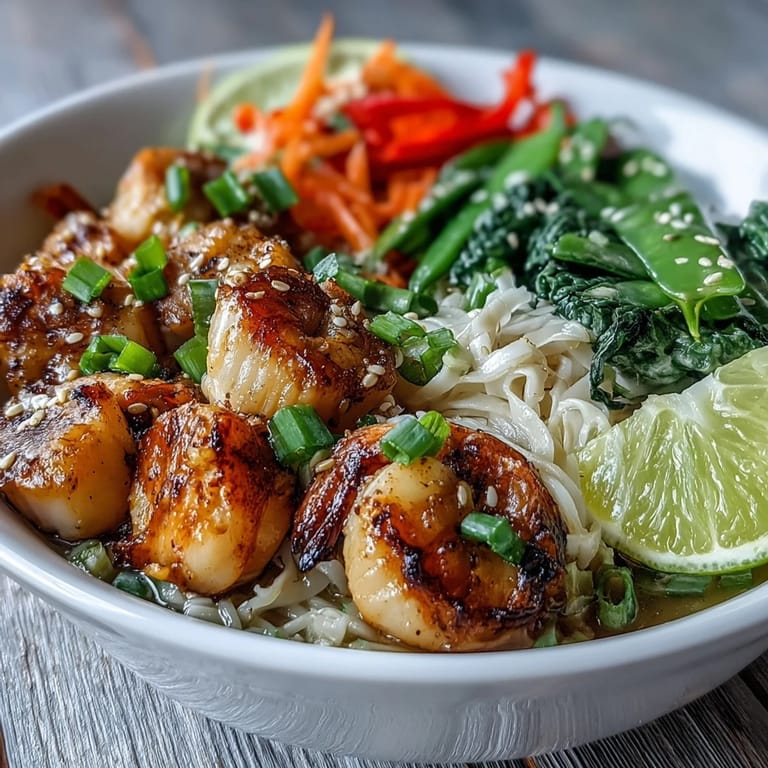
- Large shrimp and sea scallops: These two proteins cook at nearly the same speed, which is why they work so beautifully together; pat the scallops completely dry or they'll steam instead of sear.
- Rice noodles or soba noodles: Rice noodles give you a delicate, silky texture, while soba adds a subtle nutty flavor and a bit more substance if you prefer.
- Carrot, red bell pepper, snow peas, and bok choy: The mix of textures and colors matters as much as the flavors, so don't skip any of them even if you think you don't like one.
- Fresh ginger and garlic: These are the aromatics that make the whole bowl smell like a restaurant kitchen, so use them generously and don't even think about using the jarred versions.
- Low-sodium broth: Chicken or vegetable both work, but I've found that vegetable broth lets the seafood shine through without competing flavors.
- Soy sauce, fish sauce, sesame oil, and rice vinegar: These four ingredients balance each other into something magical; fish sauce seems scary but dissolves into umami depth, and rice vinegar brightens everything.
- Chili paste, cilantro, sesame seeds, and lime: These are your finishing touches that transform a warm bowl into something memorable and personal.
Tired of Takeout? 🥡
Get 10 meals you can make faster than delivery arrives. Seriously.
One email. No spam. Unsubscribe anytime.
Instructions
- Cook the noodles first:
- Get this done before you start anything else so they're ready to go; drain them well and rinse with cold water so they don't clump together while you're building the broth.
- Toast the ginger and garlic:
- Heat that sesame oil and watch it shimmer, then add your minced garlic and grated ginger; you'll know it's ready when the kitchen smells like you've stepped into a good Asian restaurant.
- Build your broth base:
- Pour in the broth, soy sauce, fish sauce, rice vinegar, and bring it to a gentle simmer; taste it now and remember this moment because this is your blueprint for seasoning.
- Cook the vegetables:
- Add the carrots, bell pepper, snow peas, and bok choy and let them soften for just 3 to 4 minutes; you want them tender but still bright, not soft and tired.
- Add seafood with care:
- Slip the shrimp and scallops into the simmering broth and watch them closely; they'll go from translucent to opaque in 2 to 3 minutes, and that's your signal to stop before they turn rubbery.
- Taste and adjust:
- This is the moment to add chili paste if you want heat, or a squeeze more sesame oil if something feels flat; trust your instincts.
- Assemble in bowls:
- Divide the noodles among four bowls and ladle the hot broth, seafood, and vegetables over the top; the warmth will soften the noodles perfectly.
- Finish with intention:
- Spring onions, fresh cilantro, toasted sesame seeds, and a lime wedge turn this from dinner into something you'll remember.
 Save
Save My partner came home one evening as I was ladling this into bowls, and he stood in the kitchen doorway just breathing in before even saying hello. We ate standing at the counter because we couldn't wait to sit down, and somehow that made it taste even better.
Why the Order Matters
The vegetables don't go in until the broth is simmering because they need heat to break down slightly and absorb all those savory flavors. The seafood is last because 3 minutes is all it takes, and adding it too early means it'll be sitting there getting tougher while you're still cooking vegetables. It sounds simple, but this timing is what separates a home-cooked bowl from something that tastes like takeout.
The Power of One Good Pot
Using a single large pot isn't just about cleanup, though that's a nice bonus. It means all the flavors build on each other in one place, and you get to watch the whole process unfold rather than juggling multiple burners and pans. I've found that when the cooking is simple and visible, I actually enjoy making dinner instead of just getting through it.
Variations and Personal Touches
This bowl is forgiving in the best way, because once you understand the structure, you can swap almost anything based on what you have or what you're craving. I've made it with mushrooms instead of one of the vegetables on a night when my farmers market haul wasn't quite what I expected, and it was just as good. The broth is stable enough to handle your experiments, so play around and make it yours.
- Tofu works beautifully if you want to skip the seafood, though you'll want to add it toward the end so it stays silky instead of absorbing too much broth.
- Udon or egg noodles are thicker than rice noodles and will hold up better if you're making this ahead and reheating it later.
- A drizzle of sriracha or extra chili paste on the side lets everyone customize their heat level without you having to guess what they'll want.
 Save
Save This bowl has become my go-to when I want to cook something that feels intentional without being complicated. Every time I make it, I remember someone I've shared it with or a conversation that happened over the steam rising from the pot.
Recipe FAQs
- → What type of noodles work best?
Rice noodles and soba noodles both work beautifully in this dish. Rice noodles offer a delicate texture that absorbs the broth well, while soba provides a nutty flavor and slightly firmer bite. Udon or egg noodles make excellent substitutes if preferred.
- → How do I prevent overcooking the seafood?
Add the shrimp and scallops during the last 2-3 minutes of simmering. Watch closely—the seafood is done when shrimp turn pink and scallops become opaque. Remove from heat immediately to maintain tender texture.
- → Can I make this vegetarian?
Yes, simply omit the seafood and substitute with firm tofu cubes. Use vegetable broth instead of chicken broth, and replace fish sauce with extra soy sauce or a vegetarian fish sauce alternative.
- → How spicy is this dish?
The base version is mild with just aromatic heat from ginger and garlic. Add chili paste to taste for spiciness, or serve with sriracha on the table so diners can adjust their own heat level.
- → Can I prepare components ahead?
Yes, julienne the vegetables and prepare the broth up to a day in advance. Store them separately in the refrigerator. Cook the noodles fresh and reheat the broth when ready to assemble, adding seafood at the last minute.
- → What vegetables can I add?
Sliced mushrooms, baby corn, snap peas, or spinach work wonderfully. The key is adding vegetables that cook quickly and maintain crunch in the hot broth without becoming mushy.