 Save
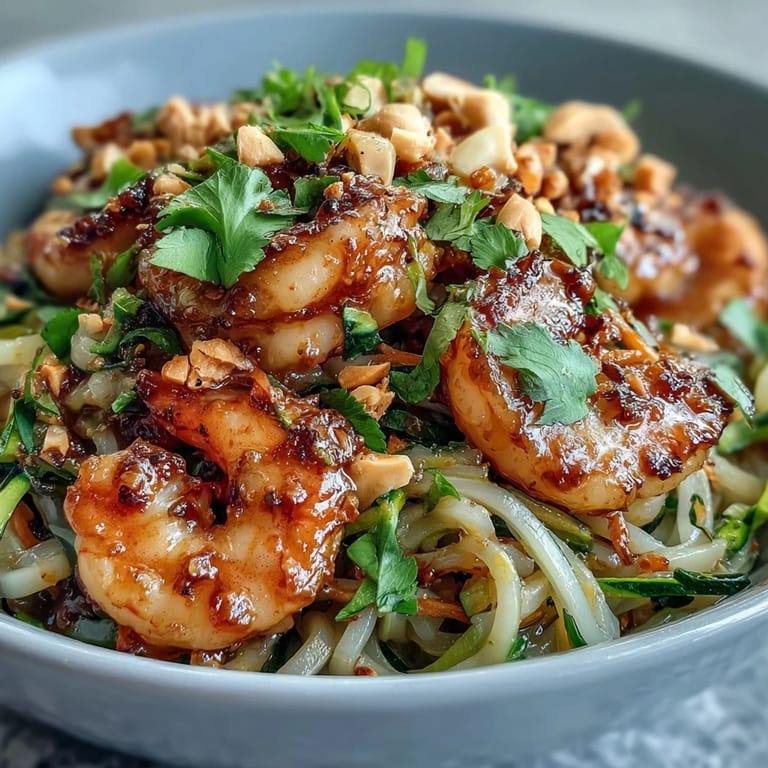
Save My friend texted me a photo of a noodle bowl she'd grabbed at lunch, and I spent the next hour trying to recreate it in my kitchen. The magic wasn't in any single ingredient—it was how everything came together in under thirty minutes, each component keeping its own personality while singing in harmony. That sauce, glossy and alive with lime and sesame, was the moment I realized I didn't need to order takeout anymore. This bowl became my answer to those evenings when I wanted something that tasted like a restaurant but felt like home cooking.
I made this for my partner on a Tuesday night when we were both exhausted, and watching them eat with their eyes closed made me understand why I kept coming back to it. The first time someone asked for seconds, I knew this wasn't just dinner—it was the kind of meal that quietly becomes part of your rotation. There's something about serving something this vibrant and alive that lifts the whole evening, even when you're running on fumes.
Ingredients
- Medium shrimp, peeled and deveined (400 g): Look for shrimp that still feel firm and smell briny, never fishy—that's your signal they're fresh and worth the slightly higher price.
- Rice noodles (200 g): These cook in minutes and have a tender bite that holds up beautifully to sauce without turning to mush.
- Zucchini, julienned (1 medium): Cut them thin so they stay crisp even after hitting the hot pan, and they'll add body without stealing the show.
- Carrot, julienned (1 large): A little sweetness that balances the salty-sour sauce, and they stay bright orange if you don't overcrowd the pan.
- Garlic, minced (2 cloves): Mince it fine so it releases its flavor in seconds, coating the whole bowl with that warm, savory base.
- Green onions, sliced (3): Save some for garnish—the white parts cook into the sauce while the greens on top add a fresh bite.
- Soy sauce (3 tbsp): Use tamari if you need gluten-free, and taste as you go since brands vary wildly in saltiness.
- Lime juice (2 tbsp): Fresh squeezed makes all the difference—bottled lime juice tastes hollow compared to the real thing.
- Sesame oil (1 tbsp): A little goes far here; it's the secret note that makes people ask what you did differently.
- Honey or maple syrup (1 tbsp): Just enough to round out the corners and keep the sauce from feeling too sharp.
- Chili garlic sauce, optional (1 tsp): For heat without fuss, though you can skip it entirely if spicy isn't your lane.
- Roasted peanuts, roughly chopped (50 g): Toast your own if you have time—the smell alone is worth the five extra minutes, and the flavor is noticeably better.
- Fresh cilantro, roughly chopped (1/3 cup): Tear it by hand instead of chopping so it stays tender and bright green.
- Lime wedges: Essential for squeezing over the top—people always want more acid than you'd expect.
Tired of Takeout? 🥡
Get 10 meals you can make faster than delivery arrives. Seriously.
One email. No spam. Unsubscribe anytime.
Instructions
- Cook the noodles until they're tender but still have a little bite:
- Boil your rice noodles according to the package, then drain and rinse immediately under cold water until they stop steaming. This stops the cooking and keeps them from welding together in a sticky mass.
- Mix your sauce and let it wait by the stove:
- Whisk soy sauce, lime juice, sesame oil, honey, and chili sauce in a small bowl—the sauce will thicken slightly as it sits, so don't make it too far ahead. Taste it now and adjust lime or soy if it feels one-note.
- Get your pan screaming hot and toast the garlic:
- Heat oil in a large skillet or wok over medium-high heat until it shimmers, then add minced garlic for about thirty seconds until it stops being raw and smells incredible. Don't let it burn or it'll taste bitter for the whole dish.
- Cook the shrimp until they've just turned pink:
- Add shrimp to the hot pan and leave them alone for about ninety seconds—they'll develop a slight crust that keeps them tender inside. Turn them once, cook another minute or so, then move them to a clean plate before they tighten up and get rubbery.
- Give the vegetables a quick stir-fry:
- Return the pan to heat with the same pan juices and add your julienned zucchini and carrot, stirring constantly for about two to three minutes until they're just tender but still have crunch. If your pan feels dry, add a splash of water to steam them through.
- Bring everything together in the pan:
- Add your cooled noodles, green onion whites, and that waiting sauce, tossing everything together until the noodles are coated and warmed through. The sauce will cling to every strand if you keep stirring.
- Return the shrimp and finish warm:
- Gently fold the cooked shrimp back into the pan, mixing everything one more time until the heat is even throughout. Be gentle here so the shrimp doesn't break apart into pieces.
- Divide and crown with toppings:
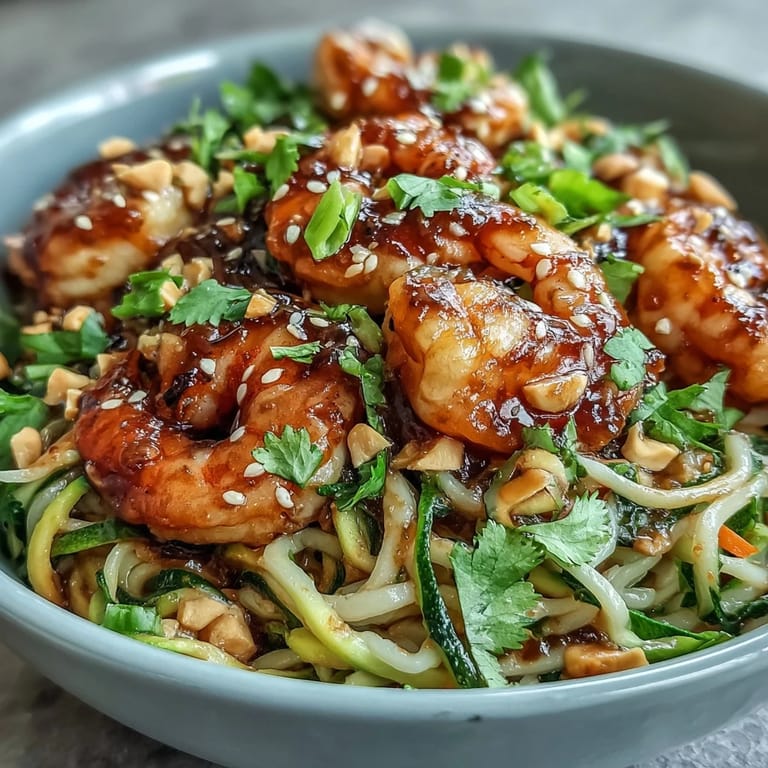
- Divide the noodle mixture among four bowls, then scatter peanuts and fresh cilantro on top, finishing with lime wedges on the side. The toppings add texture and brightness that makes each bite feel intentional.
 Save
Save There was a moment when I served this to my mom and she said it reminded her of a trip we took years ago, and suddenly the bowl was doing more than feeding us—it was opening a door to a memory. Food has this quiet power to transport, and I realized I'd stumbled onto something that wasn't just convenient, it was meaningful in a way I hadn't expected.
Why the Shrimp Stays Tender
The secret is in the math—shrimp cooks in minutes, and overcooking is the quickest way to turn it into rubber. I learned this by making it wrong at least five times before it clicked, cooking shrimp until it looked done instead of cooking it until it was done. Now I set a timer and actually use it, turning each shrimp exactly once, and the difference is night and day. The residual heat will keep working even after you pull it from the pan, so patience at this one moment changes everything.
Building Layers of Flavor
This sauce works because each ingredient has a job—soy brings salt and umami, lime brings acid and brightness, sesame oil brings a toasted warmth, and honey smooths all the sharp edges into something round and complete. I used to think you needed dozens of ingredients to taste authentic, but this bowl taught me that restraint sometimes says more than excess. When you can taste each component, they actually harmonize better than when you're drowning in five different flavors fighting for attention.
Making It Your Own
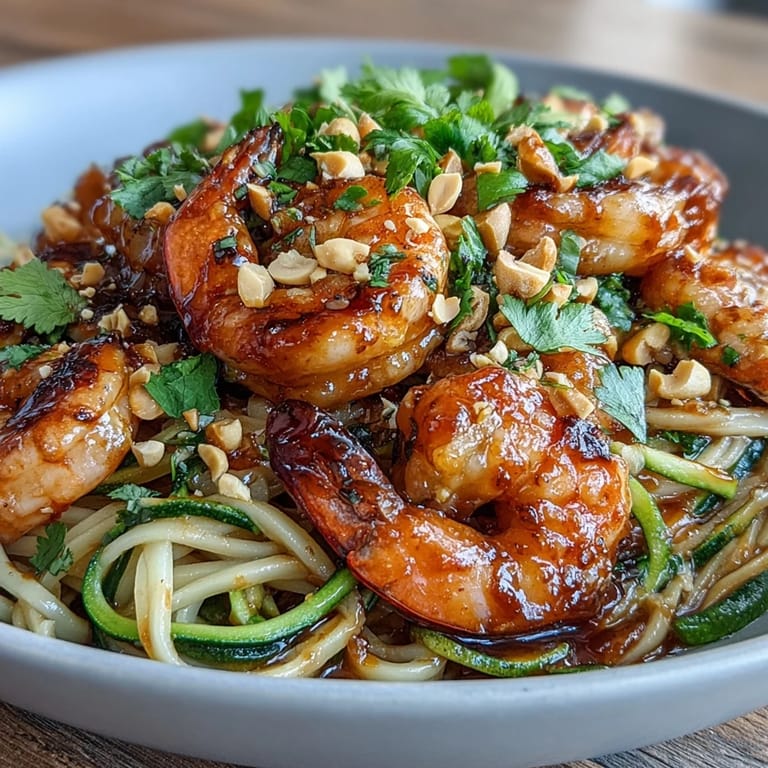
The beauty of this bowl is that it's a template, not a law—I've made it with tofu on nights I wanted lighter, with chicken on nights I wanted something heartier, and with snap peas instead of zucchini when that's what I had hanging around. The sauce and noodle base stay the same, so you're never starting from scratch, but the vegetables can shift with the season or your mood. It's become the kind of meal I can make in my sleep, which somehow makes it easier to throw love into the details.
- Red bell pepper adds color and a different kind of crunch than carrots and zucchini.
- Swap the shrimp for cubed firm tofu or bite-sized chicken pieces without changing anything else.
- A handful of spinach or bok choy wilts into the noodles during that final toss and adds greens without fuss.
 Save
Save This bowl has become my answer to so many evenings—the one I make when I want to feel capable, when I want to impress someone without stressing, when I want something that tastes like care in under thirty minutes. Every time I eat it, I'm grateful for that friend's lunch photo and the hours I spent getting it right.
Recipe FAQs
- → Can I make this dish vegetarian?
Yes, substitute the shrimp with firm tofu or tempeh. Pan-fry the tofu until golden before adding to the vegetables. The cooking time remains similar.
- → What other vegetables work well in this bowl?
Snap peas, red bell pepper, bok choy, bean sprouts, or shredded cabbage all add excellent crunch and flavor. Adjust cooking times based on vegetable density.
- → How can I make it spicier?
Increase the chili garlic sauce or add fresh sliced chilies. Sriracha or sambal oelek also works well in the sauce mixture for extra heat.
- → Can I prepare the components ahead?
Yes, julienne the vegetables and mix the sauce up to 24 hours in advance. Cook the noodles just before serving, or refresh them with warm water if pre-cooked.
- → Is there a peanut-free alternative?
For nut allergies, substitute roasted peanuts with toasted sesame seeds, cashews, or sunflower seeds for crunch without changing the overall flavor profile.
- → What type of noodles work best?
Rice noodles are traditional, but soba noodles, udon, or even spaghetti work well. Just adjust cooking time according to package instructions for your chosen noodle.