 Save
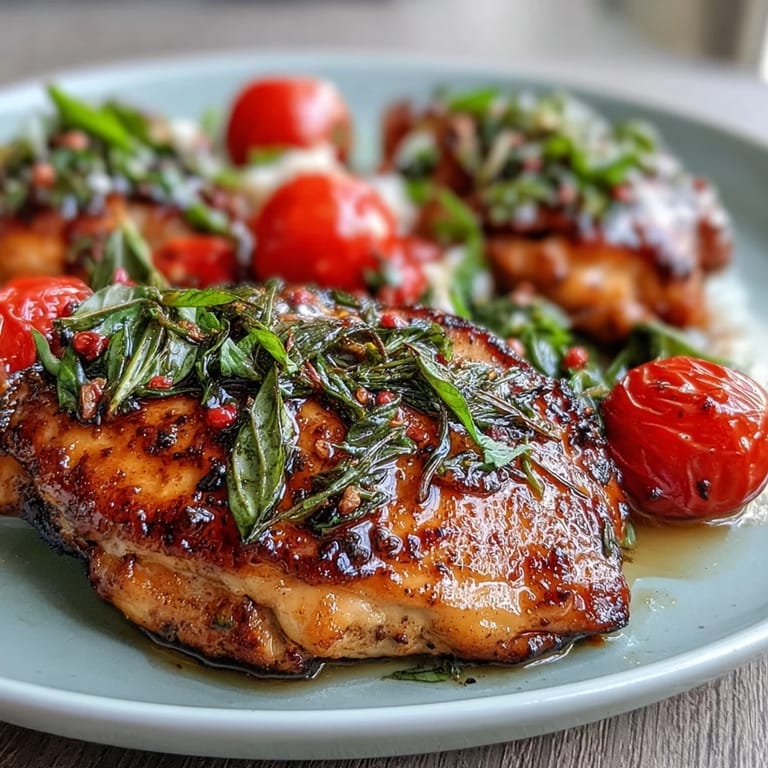
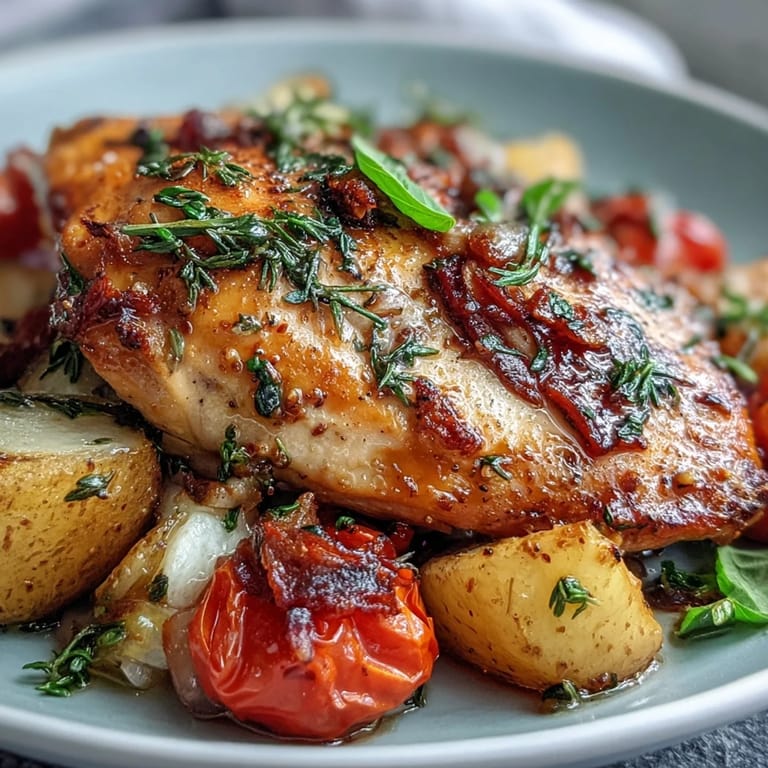
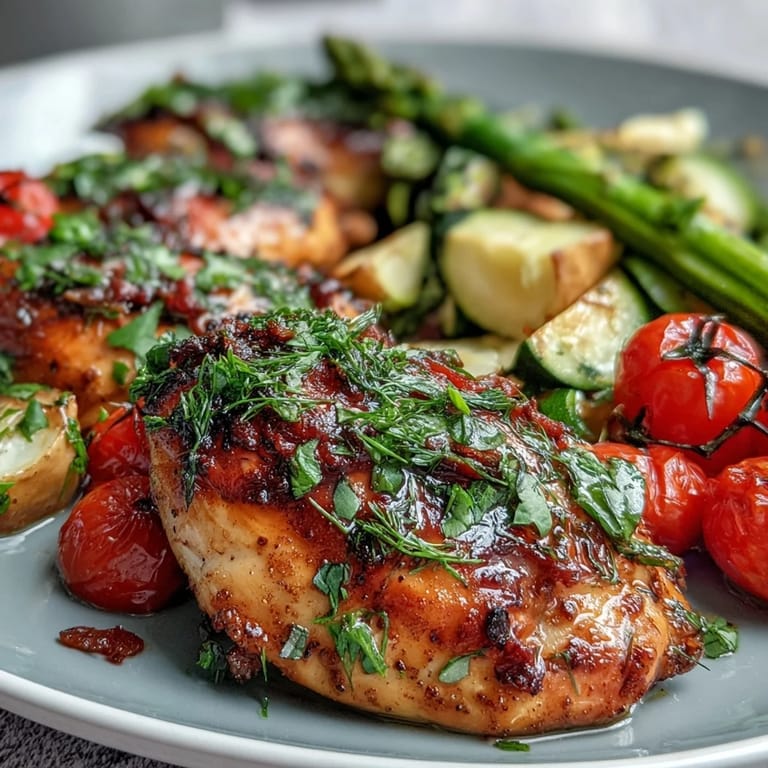
Save One April evening, I stood in my kitchen staring at a pile of spring vegetables that needed rescuing before they wilted, and I realized the answer was hiding right there on my sheet pan. There's something about the simplicity of throwing everything on one pan that feels almost rebellious compared to juggling multiple pots and pans after a long day. This chicken dish came together so naturally—juicy breasts, bright zucchini, tomatoes bursting with sweetness—that I've made it countless times since. What started as a way to avoid dishes became the meal I crave when the weather finally turns warm.
I made this for my sister's surprise dinner visit a few springs ago, and she walked in as the pan came out of the oven—the smell of lemon and herbs hit her at the door before she even took her coat off. She immediately asked if I'd ordered takeout, and I remember laughing at how insulted she was when I said no, I'd actually cooked it. That moment taught me that simple food, when made with care, feels more special than complicated recipes ever could.
Ingredients
- Boneless, skinless chicken breasts (4, about 1.5 lbs): The foundation here—look for breasts that are roughly the same thickness so they cook evenly, and don't skip pounding them gently if one seems dramatically thicker than the others.
- Medium zucchini (2), sliced into 1/2-inch rounds: The thickness matters more than you'd think; too thin and they disappear into mush, too thick and they don't soften enough in thirty minutes.
- Cherry tomatoes (2 cups), halved: These little gems burst with juice during roasting and create a natural sauce, so choose ones that feel firm, not mushy.
- Small red onion (1), cut into wedges: The red onion brings a subtle sweetness and color; if you only have yellow on hand, it still works but tastes slightly sharper.
- Olive oil (3 tbsp): This is your moisture insurance—don't skimp or go light here, the oil keeps everything from drying out.
- Fresh lemon juice (2 tbsp): Bottled works in a pinch, but fresh lemon juice makes a noticeable difference in brightness and flavor complexity.
- Dried Italian herbs or herbes de Provence (2 tsp): The secret weapon that makes this taste intentional; these dried blends are forgiving and reliable.
- Garlic cloves (3), minced: Mince them yourself if you can—the aroma while you're cutting it is half the pleasure, and the flavor is fresher and more assertive.
- Kosher salt (1 tsp) and freshly ground black pepper (1/2 tsp): Kosher salt dissolves better and tastes cleaner than table salt, and grinding pepper fresh right before cooking makes an actual difference.
- Fresh basil or parsley (2 tbsp), chopped (optional): The finishing touch that turns this from dinner into a moment—don't skip it even if you think herbs are just decoration.
Tired of Takeout? 🥡
Get 10 meals you can make faster than delivery arrives. Seriously.
One email. No spam. Unsubscribe anytime.
Instructions
- Heat your oven and set up your stage:
- Preheat to 425°F (220°C) and line a large rimmed baking sheet with parchment paper or foil. This isn't just about cleanup—the parchment actually helps vegetables cook more evenly and prevents sticking.
- Build your marinade:
- In a small bowl, whisk olive oil, lemon juice, Italian herbs, minced garlic, salt, and pepper together until everything is emulsified and fragrant. Take a moment to smell it—this is where the magic begins.
- Arrange your cast:
- Place chicken breasts on the prepared sheet and surround them with zucchini slices, cherry tomatoes, and red onion wedges, spacing everything so it's not crowded. If the vegetables are touching too much, they'll steam instead of roast.
- Coat everything in the marinade:
- Drizzle the mixture over the chicken and vegetables, then toss the veggies gently with your hands to coat evenly—the chicken can stay mostly in place. Don't worry about perfect coverage; the pan will get hot enough to finish the job.
- Let the oven do the work:
- Bake for 25 to 30 minutes, checking around the 20-minute mark to make sure nothing is browning too aggressively. The chicken is done when a meat thermometer reads 165°F (74°C) at the thickest part and the vegetables are tender and slightly caramelized.
- Optional finishing touch:
- If you want the vegetables a little more browned and blistered, pop the pan under the broiler for 2 to 3 minutes, watching closely so nothing burns. This step is optional but creates a deeper flavor.
- Finish with freshness:
- Sprinkle chopped fresh basil or parsley over everything just before serving while the pan is still hot. The heat releases the herb oils and perfumes the whole dish.
 Save
Save There was a moment last spring when my neighbor smelled this cooking through our shared wall and showed up at my door asking what restaurant I'd somehow hidden in my kitchen. I invited her to stay, and we ended up eating at my small kitchen table while she told me about missing vegetables from her childhood garden. That's when I realized this dish does something quiet and powerful—it brings people together with honest, uncomplicated food.
Why This Works in Spring
Spring vegetables are at a delicate stage where they don't need much intervention—just heat and a little brightening from lemon. The combination of bright acid, aromatic herbs, and natural vegetable sweetness feels like the season itself on a plate. I've made this in winter and summer too, but it tastes most like itself when the weather is finally turning warm and you're ready to eat lighter foods again.
How to Customize Without Losing the Magic
The beauty of this recipe is how forgiving it is. Chicken thighs work wonderfully if you prefer them—they're more forgiving if you accidentally overbake, though you might need an extra 5 to 10 minutes. Bell peppers, asparagus, or even thin-sliced fennel can replace some of the vegetables depending on what you find at the market or what your family actually eats. The marinade is the constant that holds everything together, so changing vegetables around it is always safe.
What Comes After: Serving and Stretching This Meal
This dish is complete as-is, but sometimes you want to make it a bigger meal. Crusty bread is wonderful for soaking up the pan juices, and serving everything over warm quinoa or couscous turns dinner into something slightly more substantial without making it heavy. A crisp Sauvignon Blanc or light Pinot Noir pairs beautifully and feels like you planned this dinner, even if you put it together in fifteen minutes.
- If you're cooking for people who skip carbs, serve it exactly as it comes off the sheet pan with nothing but the fresh herbs.
- Leftovers are genuinely good cold the next day as a grain bowl base or tossed into a salad.
- Double the marinade if you want extra sauce pooling at the bottom of the pan for drizzling.
 Save
Save This recipe has become my go-to when I want to cook something that feels intentional but doesn't demand hours or stress. It's proof that the best meals don't come from complicated techniques—they come from respecting your ingredients and giving them what they need to shine.
Recipe FAQs
- → What temperature should I roast the chicken and vegetables?
Preheat your oven to 425°F (220°C) to ensure the chicken cooks thoroughly while the vegetables become tender and slightly caramelized.
- → Can I use chicken thighs instead of breasts?
Yes, chicken thighs can be substituted. They may require a slightly longer cooking time to reach the appropriate internal temperature.
- → How do I know when the chicken is done?
The chicken is fully cooked when its internal temperature reaches 165°F (74°C). Use a meat thermometer for accuracy.
- → What herbs work best in this dish?
Dried Italian herbs or herbes de Provence offer a balanced flavor. Fresh basil or parsley can be added after baking for extra aroma and color.
- → Can I add other vegetables to the sheet pan?
Absolutely, seasonal vegetables such as asparagus or bell peppers can be added to enhance flavor and variety.
- → Is this dish suitable for gluten-free and low carb diets?
Yes, this meal contains no gluten and focuses on low-carbohydrate ingredients, making it suitable for those dietary preferences.