 Save
Save I first tasted Elephant Ears at a county fair when I was twelve, watching the vendor stretch dough so thin you could almost see through it. The smell of hot oil and cinnamon sugar pulled me back every summer after that. Years later, I found myself craving that exact flavor on a rainy Saturday and decided to try making them at home. The kitchen turned into my own little carnival booth, and my kids lined up like fairgoers waiting for their turn.
The first time I made these for a backyard gathering, I set up a little frying station on the porch and let everyone watch the dough puff up in the oil. My neighbor said it smelled better than any food truck she'd ever stood in line for. We went through two batches before the sun set, and someone asked if I was opening a stand. I wasnt, but I did make them again the following weekend.
Ingredients
- Active dry yeast: This is what gives the dough its lift and slight chew, dissolve it in warm milk thats just hot enough to feel cozy on your wrist, not scalding.
- Warm milk: Milk instead of water makes the dough tender and adds a subtle richness that you notice in every bite.
- Granulated sugar (for dough): Just enough to feed the yeast and give a hint of sweetness without turning the dough into dessert before it hits the oil.
- Unsalted butter (melted, for dough): Adds flavor and keeps the dough soft, I always melt it and let it cool slightly so it doesnt kill the yeast.
- Salt: Balances the sweetness and brings out the flavor of the butter and flour, dont skip it even though its a small amount.
- All purpose flour: Start with 2½ cups and add more only if the dough is sticky, too much flour makes them dense instead of light and airy.
- Vegetable oil (for frying): Use a neutral oil that can handle high heat, I keep a thermometer handy because the right temperature is everything.
- Granulated sugar (for topping): Mixed with cinnamon, this is the moment the Elephant Ears become unmistakably themselves.
- Ground cinnamon: I use a little more than the recipe calls for because I love that warm spice clinging to every crispy edge.
- Unsalted butter (melted, for brushing): Optional but not really, it helps the cinnamon sugar stick and adds a glossy finish that makes them look bakery perfect.
Tired of Takeout? 🥡
Get 10 meals you can make faster than delivery arrives. Seriously.
One email. No spam. Unsubscribe anytime.
Instructions
- Wake up the yeast:
- Dissolve the yeast in warm milk with 2 tablespoons of sugar and let it sit until it gets foamy and smells like bread, about 5 minutes. If nothing happens, your milk was too hot or your yeast was too old, start over with fresh yeast.
- Build the dough:
- Stir in the melted butter and salt, then gradually mix in the flour until a soft dough forms. If its still sticky after 2½ cups, add a tablespoon at a time until it pulls away from the bowl but still feels slightly tacky.
- Knead until smooth:
- Turn the dough onto a floured surface and knead for about 5 minutes, pressing and folding until it feels elastic and springs back when you poke it. Place it in a greased bowl, cover with a towel, and let it rise in a warm spot until doubled, about an hour.
- Prep your cinnamon sugar:
- Mix the granulated sugar and cinnamon in a shallow dish and set it near your frying station. Having this ready means you can coat the Elephant Ears while theyre still hot and the sugar sticks like magic.
- Shape the dough:
- Punch down the risen dough and divide it into 8 equal pieces, rolling each into a ball. Stretch or roll each ball into a thin oval about 8 inches long, the thinner you go, the crispier theyll get.
- Heat the oil:
- Pour about 3 cups of oil into a deep skillet or Dutch oven and heat to 350°F. Use a thermometer because too cool and theyll absorb oil, too hot and theyll burn before they cook through.
- Fry until golden:
- Slip one or two ovals into the hot oil and fry for about 1 minute per side, flipping once, until theyre puffed and golden brown. Lift them out with a slotted spoon and let them drain briefly on paper towels.
- Coat in cinnamon sugar:
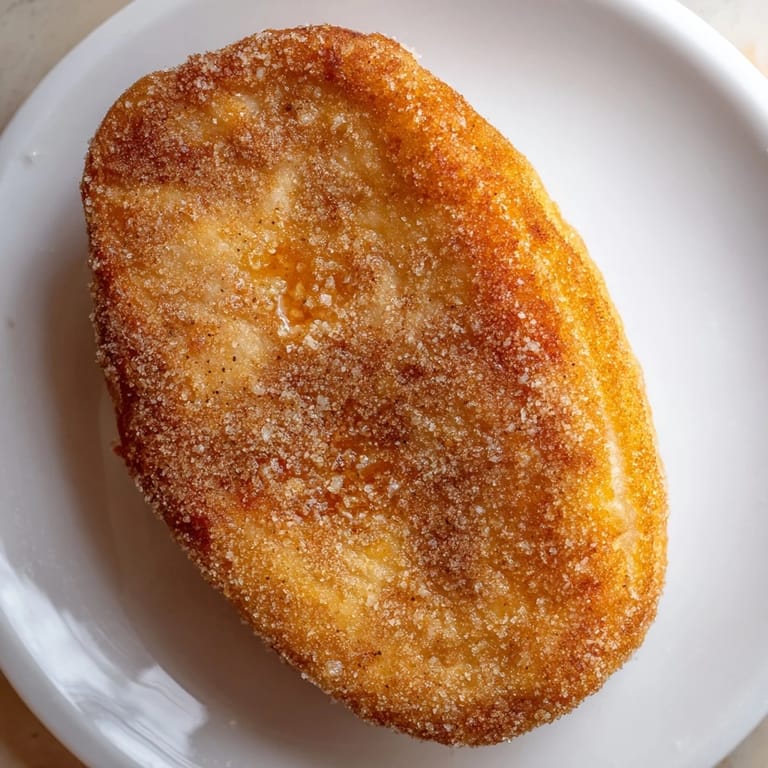
- Brush each Elephant Ear with melted butter if youre using it, then immediately dredge both sides in the cinnamon sugar mixture. Serve them warm while theyre still crispy and the sugar is fragrant.
 Save
Save One evening, I made a batch for my daughter and her friends after a soccer game, and they stood around the kitchen island eating them straight from the cooling rack. One girl said it was better than any snack her mom ever made, and I saw my daughter grin with pride. That night, Elephant Ears stopped being just a recipe and became a small tradition we kept alive every few weeks.
Making the Dough Ahead
If you want to prep in advance, let the dough rise once, then punch it down and refrigerate it in a covered bowl for up to 12 hours. When youre ready, take it out, let it sit at room temperature for about 20 minutes, then shape and fry. The cold dough actually stretches a little easier, and the flavor deepens slightly from the slow fermentation.
Serving Suggestions
These are perfect on their own, but Ive also served them with small bowls of chocolate sauce, strawberry jam, or warm honey for dipping. My husband likes to drizzle them with a little caramel, and my youngest dips hers in Nutella. They turn into a dessert bar without any extra effort, and everyone gets to customize their own.
Storage and Reheating
Elephant Ears are best eaten fresh, but if you have leftovers, store them in an airtight container at room temperature for up to a day. To bring back some of the crispness, pop them in a 350°F oven for about 5 minutes. They wont be quite as perfect as fresh from the fryer, but theyre still worth eating.
- Let the oil cool completely before storing or discarding it, and strain it through a fine mesh sieve if you want to reuse it once more.
- If the dough feels too sticky to roll, dust your work surface lightly with flour, but dont overdo it or the dough will toughen.
- For a fun twist, add a pinch of nutmeg or cardamom to the dough for a subtle spice note that surprises people in the best way.
 Save
Save Every time I make these, someone asks for the recipe, and I tell them its easier than they think. The best part isnt just the taste, its the way your kitchen smells like a carnival and everyone suddenly appears to see whats cooking.
Recipe FAQs
- → What type of dough is used for elephant ears?
A soft yeast dough made with milk, sugar, butter, and flour, kneaded and allowed to rise until elastic and smooth.
- → How is the dough prepared before frying?
After rising, the dough is divided, rolled or stretched thin into ovals about 8 inches long, ready for frying.
- → What is the best oil for frying elephant ears?
Vegetable oil works well for deep frying, heated to approximately 350°F to achieve golden, crispy results.
- → Can elephant ears be made ahead of time?
Yes, the dough can be prepared in advance and refrigerated for up to 12 hours before frying.
- → How is the cinnamon sugar topping applied?
After frying, the warm pieces are optionally brushed with butter then dredged in a mixture of granulated sugar and ground cinnamon.
- → Are there variations to enhance the flavor?
A pinch of nutmeg can be added to the dough, and toppings like chocolate sauce or jam can accompany the finished treat.