 Save
Save There's something about September that makes me crave donuts, specifically the kind that taste like fall in a single bite. Years ago, I watched my neighbor pull a batch of apple cider donuts from her oven, and the kitchen filled with this spiced warmth that made everything feel intentional and homey. I finally asked for her technique, and what she shared was beautifully simple—reduce the cider down so it concentrates into something almost syrupy, then fold it into a tender crumb with just enough spice to feel like a whisper of autumn. Now these donuts are the first thing I make when the season shifts.
I made these for my partner's team on a chilly October morning, and watching people's faces light up when they tasted that apple cider flavor was worth every minute in the kitchen. Someone asked if I'd bought them from a bakery, which might be the highest compliment a homemade donut can get. Since then, they've become my go-to for potlucks and quiet Sunday mornings when I want the house to smell like something special.
Ingredients
- Apple cider (1 cup, reduced to 1/2 cup): Reducing it concentrates the flavor into something almost caramel-like, so you're not diluting the batter with watery juice—this is the single most important step for tasting actual apple.
- All-purpose flour (2 cups): Keep it at room temperature and measure by spooning and leveling, not compacting, so your donuts stay tender and don't turn tough.
- Unsalted butter (6 tablespoons total): Use good butter, because there's nothing else here to hide behind—its flavor matters.
- Baking powder (2 teaspoons): This is what gives them lift and that cake-like crumb without needing an egg bath or deep frying.
- Ground cinnamon and nutmeg: Toast these in a dry pan for 30 seconds just before mixing if you want to wake up their essential oils—it's a small move that deepens everything.
- Eggs (2 large) and milk (1/2 cup): These bind everything together and keep the donuts from becoming cakey in a dry way.
- Granulated sugar (3/4 cup in batter, 1/2 cup for coating): The coating sugar is what makes them sparkle and crunch, so don't skip that step or brush with too much butter or it'll just slide off.
Tired of Takeout? 🥡
Get 10 meals you can make faster than delivery arrives. Seriously.
One email. No spam. Unsubscribe anytime.
Instructions
- Reduce the apple cider:
- Pour the cider into a small saucepan and let it bubble gently over medium heat for 10 to 12 minutes until it's reduced to about 1/2 cup. You'll see it darken slightly and smell almost spiced fruit wine—that's exactly right. Let it cool completely because hot cider will scramble your eggs.
- Prepare your workspace:
- Preheat the oven to 350°F and grease your donut pan generously, getting into those little crevices so nothing sticks. A pastry brush works better than spray because you can feel where you've covered.
- Mix the dry ingredients:
- In a large bowl, whisk together flour, sugar, baking powder, cinnamon, nutmeg, and salt until everything is evenly distributed. This isn't the time to rush—a few extra seconds with the whisk means the leavening agent gets spread throughout and your donuts rise evenly.
- Combine the wet ingredients:
- In another bowl, whisk together your cooled cider, melted butter, eggs, milk, and vanilla until smooth. The color will be pale golden and everything should look homogeneous.
- Bring it together gently:
- Pour the wet mixture into the dry ingredients and stir just until combined—you want streaks of flour to disappear but not to beat the batter into submission. Overmixing activates gluten and toughens your donuts, so stop as soon as you don't see dry flour anymore.
- Fill the pan:
- Spoon or pipe the batter into your donut pan, filling each cavity about 3/4 full. If you're piping, a gallon-sized plastic bag with one corner snipped works perfectly and is easier to clean than a pastry bag.
- Bake until golden:
- Bake for 12 to 15 minutes until a light press on top springs back gently and the edges are just beginning to turn light brown. They'll keep cooking slightly as they cool, so don't leave them in longer than 15 minutes or they'll dry out.
- Cool and coat:
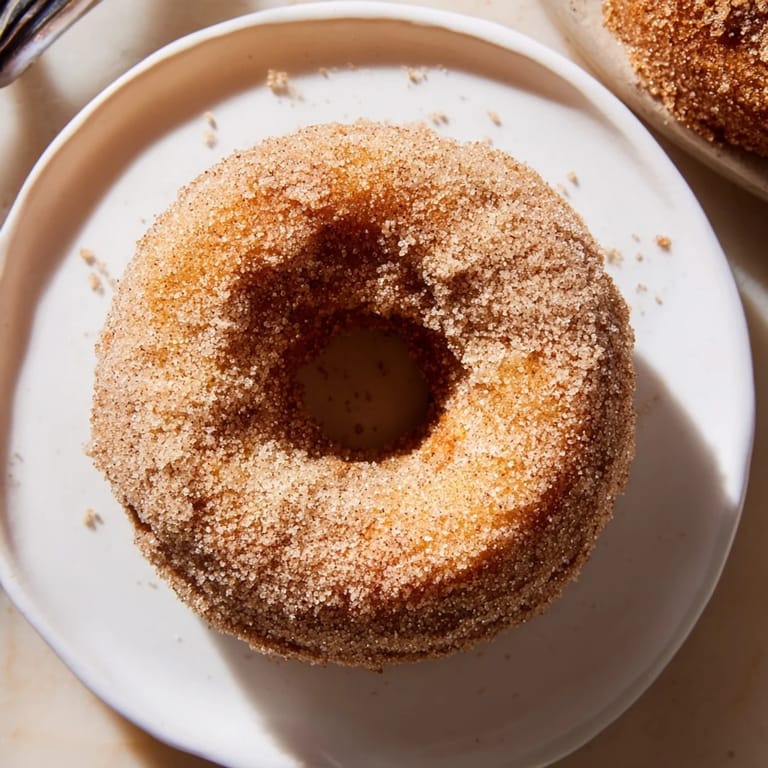
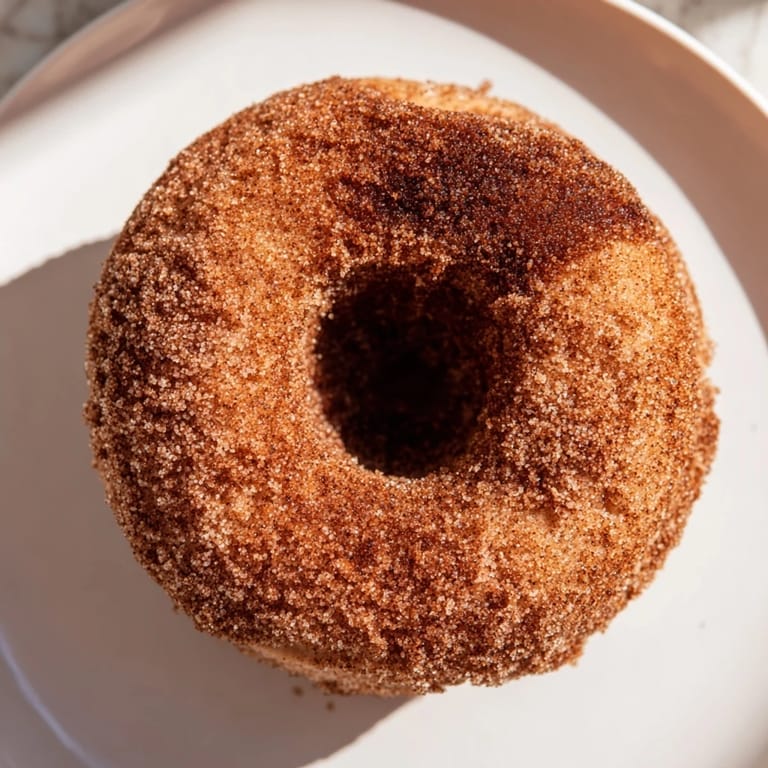
- Let them rest in the pan for 5 minutes, then carefully turn them out onto a wire rack. While they're still warm, brush each one lightly with melted butter and dip generously into cinnamon sugar, turning to coat all sides.
 Save
Save There's a moment after frosting them when you bite into a still-warm donut and the cinnamon sugar crackles between your teeth, and underneath is this tender cake that tastes unmistakably of apple. That's the moment these donuts stopped being just a recipe for me—they became a small, intentional way to mark the season and share something homemade.
Why This Method Works Better Than You'd Think
Baking donuts instead of frying might feel like you're missing something, but you're actually gaining control. The oven heat is gentle and even, so the donuts bake through without browning too fast on the outside. You don't have to worry about oil temperature, splashing, or that heavy, slick feeling in your mouth afterward—just tender cake with a crispy sugar shell. Plus, your kitchen doesn't smell like a deep fryer for three days straight.
The Importance of Reducing Your Apple Cider
This step feels small but it's everything. Raw apple cider is mostly water, and if you just mixed it straight into the batter, you'd end up with something too wet to hold its shape. By simmering it down, you concentrate all those apple and spice notes into a syrup-like base that actually flavors the crumb instead of just making it soggy. The kitchen fills with this incredible smell while it reduces—hints of caramel, cinnamon, and something almost wine-like—and that's how you know it's working.
Storage and Serving Ideas
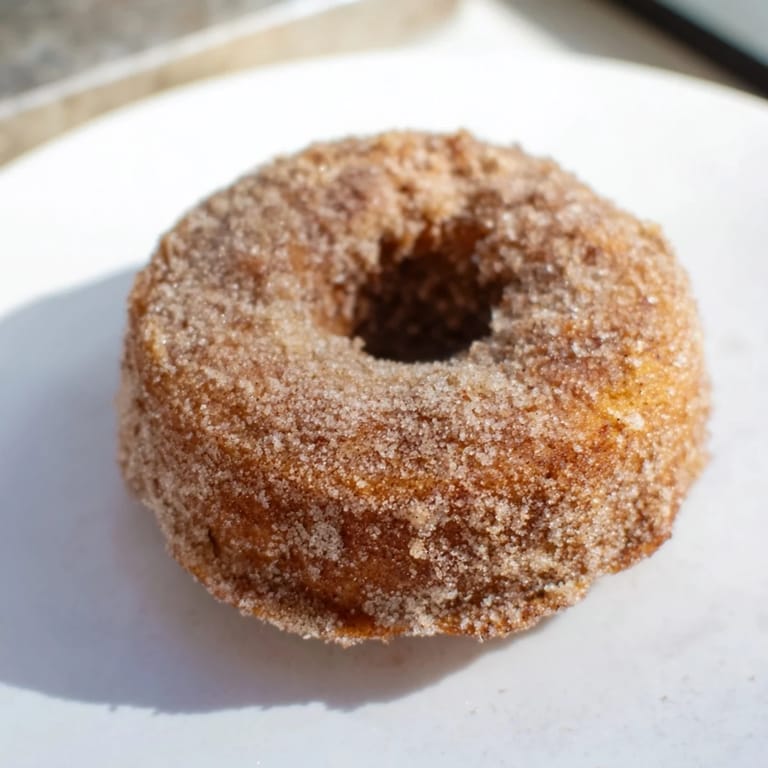
These donuts are best eaten the day they're made when the sugar coating is still crackly and the crumb is at its tender best. They'll keep in an airtight container for up to two days, though they'll gradually soften as they sit. Serve them warm with hot apple cider, strong coffee, or cold milk—whatever feels right for your morning.
- If you want extra apple flavor and don't mind a slightly more tender crumb, fold in 1/2 cup of finely diced, peeled apple to the batter just before filling the pan.
- To refresh day-old donuts, warm them gently in a 300°F oven for about 5 minutes and re-coat with butter and cinnamon sugar if they've lost their sparkle.
- These freeze well for up to a week—wrap them individually in parchment and store in a freezer bag, then thaw at room temperature for an hour or so before serving.
 Save
Save These donuts are a reminder that the simplest recipes often deliver the most joy. When you bite into one, you're tasting something made with intention and care, and that matters.
Recipe FAQs
- → How is the apple cider flavor intensified?
The apple cider is simmered gently until reduced to half its volume, concentrating the flavor and preventing excess moisture in the batter.
- → What is the best way to achieve the tender texture?
Gently mixing the wet and dry ingredients until just combined helps maintain a tender, cake-like crumb without overdeveloping gluten.
- → How should the cinnamon sugar coating be applied?
Brush each warm donut with melted butter, then dip thoroughly into a cinnamon and sugar mixture for a fragrant, evenly coated finish.
- → Can additional apple pieces be added to the batter?
Yes, finely diced peeled apples can be stirred into the batter for extra texture and fresh apple bursts within the donuts.
- → How should the donuts be stored for freshness?
Store in an airtight container at room temperature for up to two days to maintain softness and flavor.
- → Are these donuts suitable for vegetarians?
Yes, the ingredients used exclude meat products, fitting a vegetarian diet.