 Save
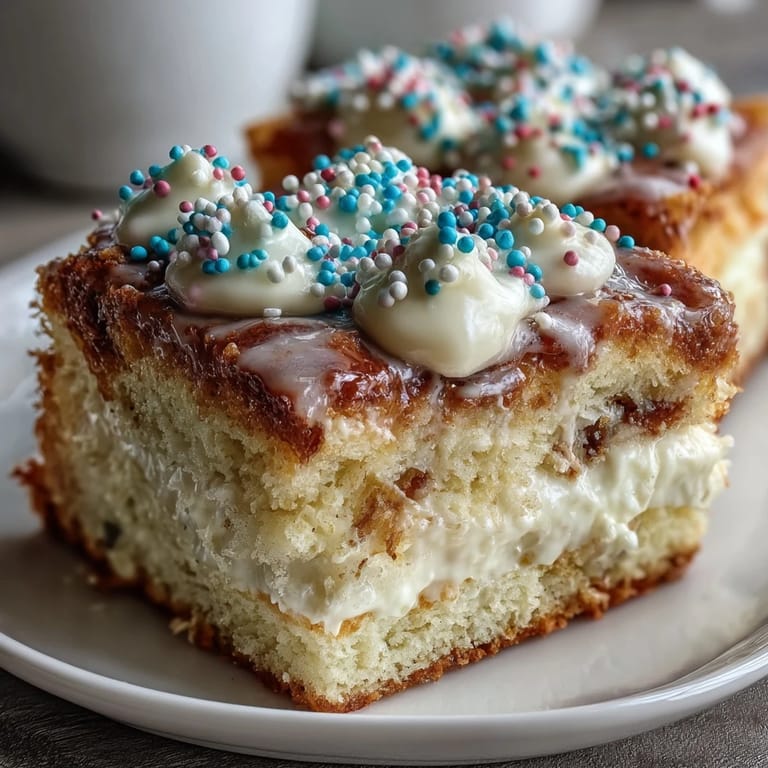
Save My friend texted me two weeks before graduation asking if I could make a cake for the Class of 2026 celebration, and honestly, I panicked for about thirty seconds before remembering that vanilla sheet cakes are my secret weapon. There's something almost magical about how a simple, buttery vanilla cake can transform a gym or backyard into somewhere that feels special—like you've given everyone permission to celebrate without overthinking it. This cake feeds two dozen people, comes together in under an hour, and tastes like someone actually cared enough to bake from scratch. The buttercream frosting is silky and forgiving, and the whole thing can be decorated however your heart desires.
I watched my mom frost her first sheet cake when I was about eight, and she let me sprinkle the decorations on top, which mostly ended up on the floor and in my hair. But seeing that cake fed thirty people at a neighborhood gathering taught me that the imperfect cakes often mean the most because they represent someone's effort, not their perfectionism. When I baked this for the graduates, I saw the same kind of joy on their faces—not because it was flawless, but because it was made with attention.
Ingredients
- All-purpose flour (3 cups): The foundation of a tender crumb—make sure it's measured by spooning and leveling, not scooping directly from the bag, or you'll end up with a dense cake.
- Baking powder and baking soda (2½ tsp and ½ tsp): This combination gives you lift without bitterness, and they work together to create that light, fluffy structure.
- Unsalted butter (1 cup for cake, 1 cup for frosting): Room temperature butter beats into the sugar more evenly, trapping air and creating volume—cold butter will fight you.
- Granulated sugar (2 cups): Don't skip the creaming step; those three minutes of beating are when the magic happens, creating tiny air pockets that make the cake airy.
- Large eggs (4 whole): Room temperature eggs incorporate more smoothly into the batter and create a more tender final texture.
- Vanilla extract (1 tbsp for cake, 2 tsp for frosting): Use real vanilla if you can—the flavor difference in such a simple cake is noticeable and worth it.
- Whole milk (1½ cups for cake, ¼ cup for frosting): Room temperature milk mixes in without shocking the batter and helps create that moist, tender crumb.
- Powdered sugar (4 cups, sifted): Sifting matters here more than you'd think; lumpy frosting is possible and disappointing.
- Graduation sprinkles or edible decorations: This is where you personalize—school colors, class year, whatever feels right for the moment.
Tired of Takeout? 🥡
Get 10 meals you can make faster than delivery arrives. Seriously.
One email. No spam. Unsubscribe anytime.
Instructions
- Prepare Your Pan and Oven:
- Set your oven to 350°F and while it warms up, grease that 12x18-inch sheet pan and line it with parchment paper—this prevents sticking and makes cleanup feel less like a punishment.
- Sift Your Dry Ingredients:
- Whisk flour, baking powder, baking soda, and salt in a medium bowl, then set it aside and try not to forget about it (I always do, and then have a moment of panic halfway through mixing).
- Cream the Butter and Sugar:
- In a large mixing bowl, beat butter and sugar together for about three minutes until it looks light, pale, and fluffy—this is when you're literally whipping air into your cake. Stop and scrape down the bowl halfway through.
- Add the Eggs One by One:
- Add each egg individually, beating well after each addition so it fully incorporates before you add the next one. This matters more than you'd think.
- Mix in the Vanilla:
- Stir in that vanilla extract and take a moment to smell it—it's one of the few moments in baking where you get to pause.
- Alternate Dry and Wet Ingredients:
- Add half the flour mixture, mix on low speed until just combined, then pour in half the milk and gently fold. Repeat with the remaining flour and milk, mixing only until combined—overmixing here creates toughness, which is the opposite of what you want.
- Transfer to the Pan:
- Pour the batter into your prepared pan and spread it evenly with a spatula, smoothing the top so it bakes uniformly.
- Bake Until Golden:
- Bake for 28 to 32 minutes—the top should be light golden and a toothpick inserted in the center should come out clean or with just a few moist crumbs. The smell at minute twenty-five is going to be incredible.
- Cool the Cake:
- Let it cool completely in the pan on a wire rack before frosting, or the frosting will melt into puddles and your decorated cake will slide around like it's on an ice rink.
- Make the Buttercream:
- In a clean bowl, beat room temperature butter for about two minutes until it's creamy and pale, then gradually add the sifted powdered sugar, mixing on low speed so you don't create a cloud of sugar dust in your kitchen.
- Flavor and Fluffy:
- Add vanilla extract, milk, and a pinch of salt, then beat on high for another two to three minutes until the frosting becomes light and fluffy—this is when it goes from dense to cloud-like.
- Add Color If You Like:
- Stir in gel food coloring a tiny bit at a time if you want school colors or a festive touch—gel coloring won't thin out your frosting the way liquid food coloring does.
- Frost the Cooled Cake:
- Spread the buttercream evenly over the completely cooled cake using an offset spatula or the back of a spoon, working from the center outward. This is meditative work, honestly.
- Decorate and Celebrate:
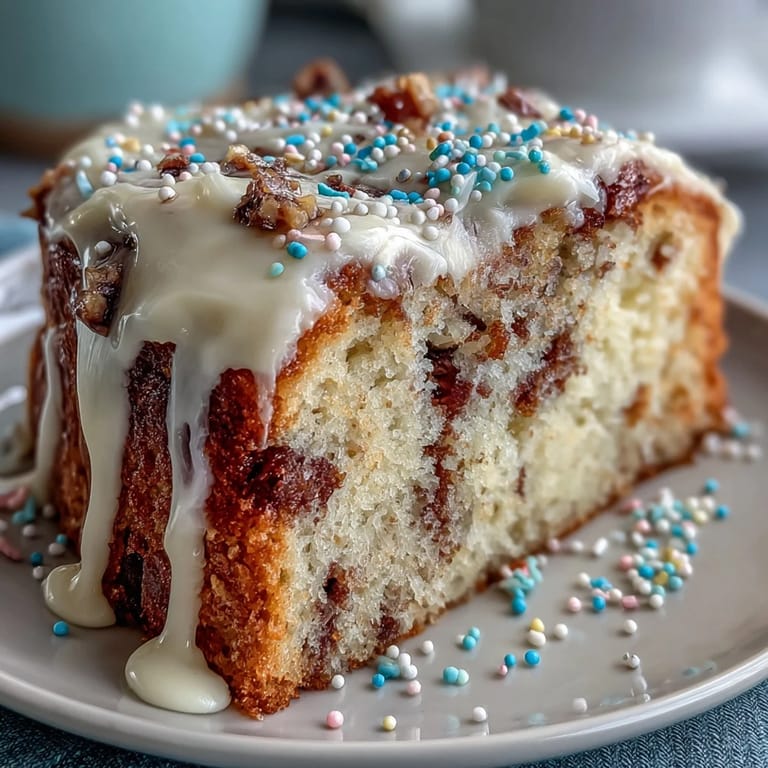
- Top with graduation-themed sprinkles, edible decorations, or piped messages using a piping bag—this is where the cake becomes uniquely yours and the moment becomes real.
 Save
Save Standing in the gym the evening of the graduation party, watching people cut into slices of this cake while their kids laughed nearby, I realized that food often carries more weight than we give it credit for—it's not just nutrition, it's a marker of the moment. This vanilla sheet cake became part of someone's memory of graduating, which is a small but meaningful responsibility that I don't take lightly.
Why This Cake Works for Big Celebrations
Sheet cakes exist because people figured out that feeding a crowd doesn't have to be complicated or require you to own fancy equipment. This particular cake is tall enough to feel impressive but not so delicate that it falls apart the moment you slice it. The vanilla flavor is a blank canvas—it works whether you decorate it simply with sprinkles or get creative with piped borders and messages.
Storage and Make-Ahead Strategy
You can bake the cake layers the day before and store them covered at room temperature, which takes some pressure off the day of the party. The buttercream can be made a few hours ahead and kept at room temperature, stirring gently if it stiffens up. Once frosted, the whole cake keeps well covered at room temperature for a day, or refrigerated for up to four days—though I've never seen a sheet cake last that long.
Room Temperature Ingredients: Why It Matters
I learned this lesson the hard way when I once grabbed eggs straight from the fridge and wondered why my batter looked separated and grainy. Room temperature ingredients mix together more evenly, creating a smoother batter and a more tender final cake. It takes about thirty minutes for eggs and milk to come to room temperature if you leave them on the counter, which is time worth planning into your baking schedule.
- Let eggs sit out for thirty minutes before cracking them into your mixing bowl.
- Pour milk into a measuring cup and let it sit alongside the eggs—you'll be amazed at the difference it makes.
- Butter should be soft enough to leave a slight indent when you press it with your finger, but not so soft that it's greasy.
 Save
Save Baking this cake for a graduation celebration feels like a small act of love disguised as a dessert, and honestly, that's what the best recipes are. Whether you're feeding twenty-four people or just bringing this to a smaller gathering, you're offering something that took thought and time.
Recipe FAQs
- → What makes this vanilla sheet cake fluffy?
The combination of creamed butter and sugar, along with baking powder and soda, creates a light and airy texture.
- → How is the buttercream frosting made smooth and creamy?
Beating softened butter with sifted powdered sugar gradually, then adding milk and vanilla, results in a creamy, spreadable frosting.
- → Can I add color to the frosting?
Yes, gel food coloring can be mixed into the buttercream to match school colors or any theme.
- → What pan size is best for this cake?
A 12x18-inch half-sheet pan ensures even baking and the ideal thickness for serving 24 slices.
- → How should leftovers be stored?
Cover leftovers at room temperature for one day, or refrigerate up to four days to maintain freshness.