 Save
Save My sister called me three days before Mother's Day in a mild panic—she'd volunteered to host brunch but had no idea where to start. Instead of suggesting complicated recipes, I found myself describing something I'd learned years ago: a brunch board doesn't require you to cook anything, just the confidence to arrange beautiful things thoughtfully. She made one that Sunday, and watching my mom's face light up as she surveyed the spread of pastries, fruit, and mimosas told me everything. Sometimes the most memorable meals aren't about culinary skill; they're about abundance and joy presented with intention.
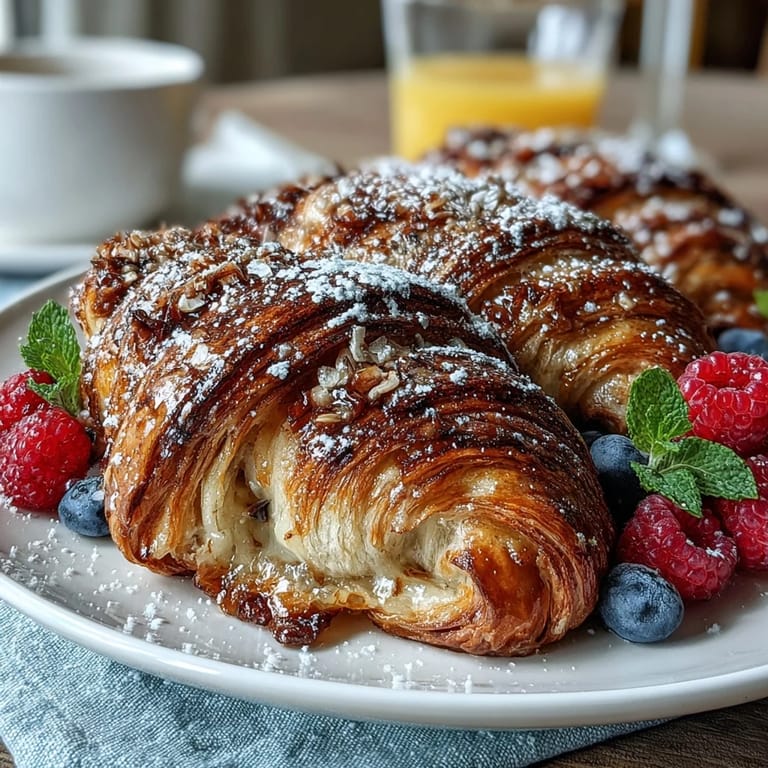
I remember my neighbor asking what made my Mother's Day brunch special when she peeked over the fence. It wasn't any single element—it was the way the golden croissants caught the morning light next to those jewel-toned berries, how the mimosas sparkled in champagne flutes, and how my mom could graze on whatever she wanted without anyone hovering with a plate. She spent three hours at that board, talking and laughing, which was exactly the point.
Ingredients
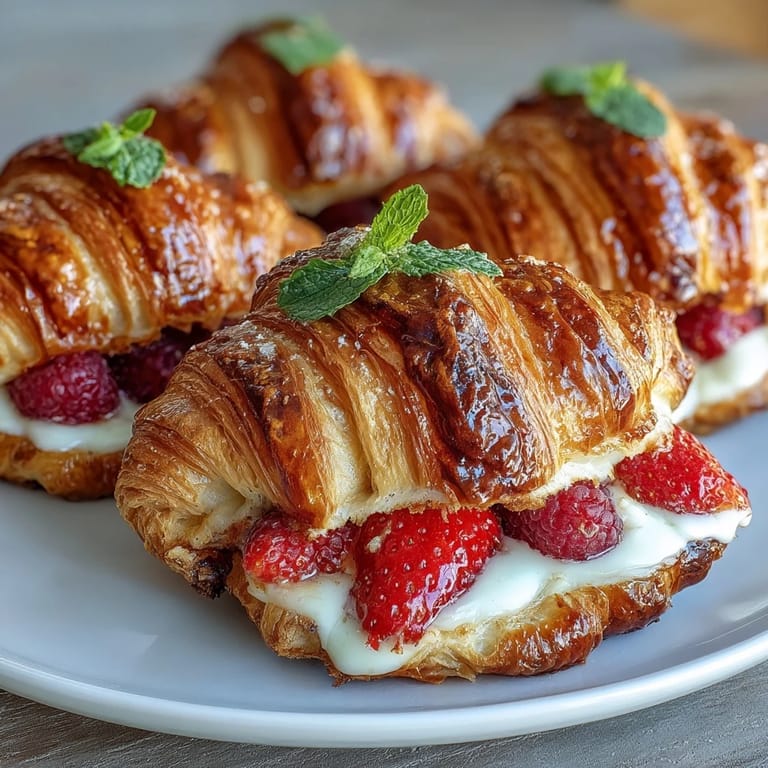
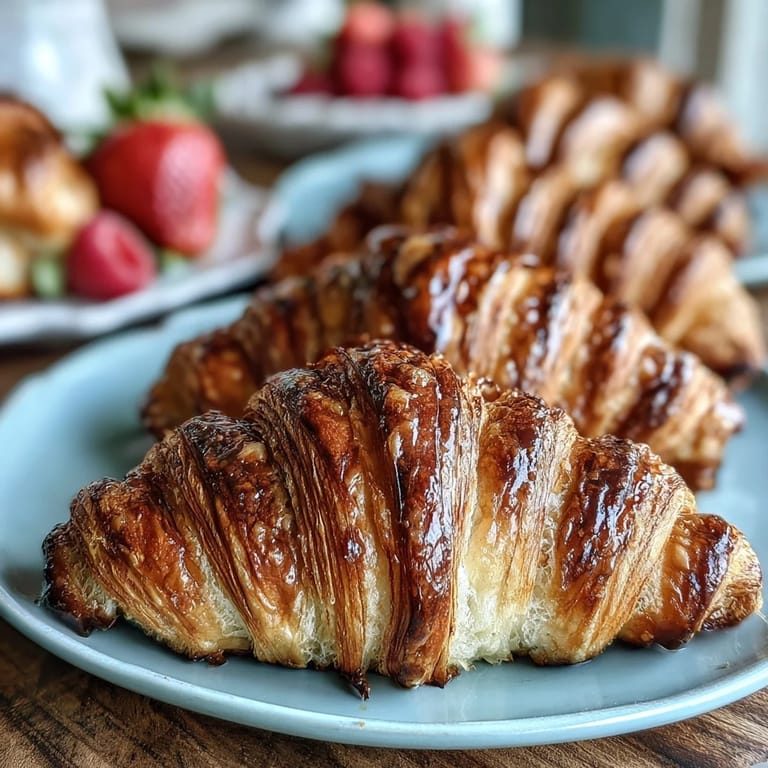
- Mini croissants: Buy these from a quality bakery if you can—the butter content is what makes them worth it, and that flaky, shattering texture is non-negotiable on a board like this.
- Assorted mini Danish pastries: Variety keeps the board interesting; I always include at least one fruit-based and one cheese-based so everyone has options.
- Pain au chocolat or chocolate-filled pastries: These are the crowd-pleaser that usually disappears first, so don't skimp on quality here.
- Strawberries, blueberries, raspberries: Fresh berries are the backbone of color and brightness; buy them the day before if possible and store them gently in a paper towel-lined container.
- Green grapes and pineapple: Halving grapes prevents them from rolling away, and cubed pineapple adds a tropical note that makes the board feel celebratory.
- Orange slices: These bridge the gap between fruit and garnish, plus they hint at what's coming in the mimosas.
- Clotted cream or mascarpone: This is your textural contrast; a small bowl of it gives people license to be indulgent.
- Fruit preserves: Choose flavors that complement your pastries—raspberry with chocolate, apricot with almond, that kind of thinking.
- Honey: A drizzle over berries or with cream transforms simple fruit into something almost decadent.
- Fresh mint sprigs: These cost almost nothing but add aromatic freshness and visual lightness that ties the whole board together.
- Chilled sparkling wine: Temperature matters here; a warm bottle of Prosecco is tragic.
- Fresh-squeezed orange juice: Store-bought works, but fresh-squeezed tastes like you actually cared, which you did.
Tired of Takeout? 🥡
Get 10 meals you can make faster than delivery arrives. Seriously.
One email. No spam. Unsubscribe anytime.
Instructions
- Start with your anchor:
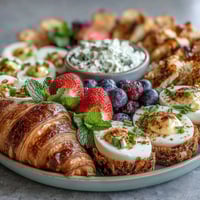
- Place your largest platter or wooden board on the table first, then arrange pastries in small clusters—croissants together, Danishes together, chocolate pastries together. This creates visual organization and makes it easy for people to see what they're reaching for.
- Fill the gaps with fruit:
- Think of fruit as color and texture; use berries to create pockets of brightness between pastries, and arrange orange slices in an overlapping pattern. This part is genuinely intuitive—step back occasionally and let your eye tell you where more color is needed.
- Create a textural landing pad:
- Place small bowls of clotted cream, preserves, and honey directly on the board in spots where they feel balanced. This isn't about perfection; it's about giving people obvious choices without crowding them out.
- Garnish for freshness and aroma:
- Tuck mint sprigs throughout the board in the last minute before serving, placing them where they catch light and freshen the scent without looking overly fussy.
- Build the mimosas with intention:
- Pour sparkling wine into each flute first, filling it about halfway, then top slowly with orange juice. The gentle mixing creates a gradient that's beautiful, and the slower pour prevents excessive fizzing and spillage.
- Serve at the moment of readiness:
- Everything should be chilled and ready the moment people sit down; brunch boards aren't meant to sit around waiting.
 Save
Save What surprised me most was how a brunch board became permission for people to linger. Without a set meal structure, my mom moved between fruit and pastries and champagne at her own pace, which meant real conversations happened. She wasn't rushed, and nobody was waiting on anyone. That's when I understood this wasn't just about feeding people—it was about creating space for them to feel celebrated at their own speed.
Choosing Your Pastries Wisely
The backbone of any brunch board is the pastry selection, and this is where small choices matter tremendously. I learned to avoid pastries with glazes that weep or fillings that ooze too much, because they get messy when people eat them casually while standing or chatting. Flaky croissants, sturdy Danish varieties, and chocolate pastries hold up beautifully throughout the meal without leaving crumbs all over the board or staining napkins with greasy residue. If you have access to a good local bakery, call them the day before and ask what they recommend for a brunch board; bakers love this question and often have opinions about which pastries travel and sit best.
The Art of Fruit Arrangement
Arranging fruit is about understanding both aesthetics and practicality, which took me longer to figure out than I'd like to admit. Berries should be placed face-up and close enough together that they look abundant but far enough apart that someone can grab one without destabilizing the whole pile. Orange slices look elegant when they slightly overlap, like a fancy garnish, and halved grapes never roll away unexpectedly the way whole grapes do. The real secret is treating your fruit arrangement like a painter treats a canvas—step back, look for balance between colors and shapes, and don't overthink it; your instinct about what looks beautiful is usually correct.
Mastering the Mimosa Ratio
The perfect mimosa is genuinely a matter of personal preference, but I've learned that the classic three-to-one ratio of champagne to orange juice creates something that's celebratory without being too heavy or too boozy. Some people prefer a slightly sweeter, more citrus-forward drink, while others want the sparkling wine to shine through, so having bottles of both available lets people adjust to their taste. One final thought: never make all the mimosas at once; people arrive at different times and appreciate a fresh pour, and there's something lovely about pouring champagne for someone as they settle in.
- Chill your glasses in the freezer for at least fifteen minutes before pouring to keep drinks cold longer.
- Use a light hand when stirring to preserve the effervescence and that satisfying sparkle.
- Set aside fresh berries or orange slices specifically for garnish so they stay pristine until the moment of service.
 Save
Save A brunch board is one of those rare dishes that says I love you without saying a word, and that's why it works so beautifully for Mother's Day. It's generous, it's thoughtful, and it tastes like someone made time for joy.
Recipe FAQs
- → What pastries work best for this brunch board?
Mini croissants, assorted Danish pastries like raspberry or cheese, and chocolate-filled options provide a flaky and varied selection that pairs well with fresh fruit.
- → Can I substitute the sparkling wine for something else?
Yes, sparkling water or non-alcoholic sparkling wine can be used for a refreshing alternative without alcohol.
- → How should I arrange the fruit and pastries for best presentation?
Group similar pastries together on a large board, then fill surrounding spaces with colorful fruit clusters to create an inviting and balanced display.
- → What are good accompaniments to include?
Dollops of clotted cream or mascarpone, fruit preserves, and a drizzle of honey add richness and sweetness that complement the pastries and fruit.
- → How to garnish the mimosas attractively?
Add a slice of orange or a fresh berry to each glass to enhance the look and add a hint of fresh aroma.