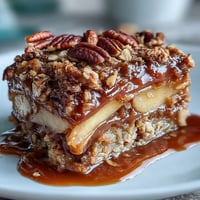
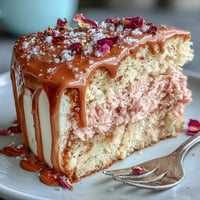
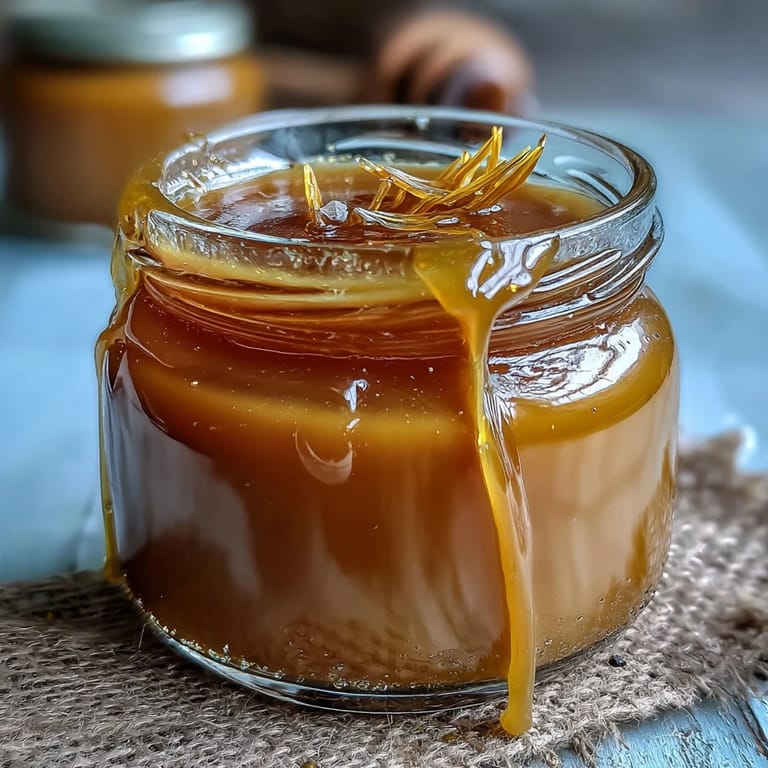
 Save
Save My neighbor's meadow turned golden one spring, and she laughed when I asked if I could harvest those "weeds" blooming everywhere. That first batch of dandelion jelly taught me that some of the most delicious things grow wild, waiting for someone curious enough to pick them. The kitchen filled with this unexpected floral sweetness as I simmered those bright petals, and suddenly my toast stopped being ordinary.
I brought a jar to a friend's brunch, and watching someone taste it for the first time—that moment when their eyes widened—made every petal-pinching session worth it. They spread it on a warm scone with clotted cream, and it became the star of the whole morning, which still makes me smile when I see them.
Ingredients
- Dandelion petals: Use only the bright yellow petals and discard every bit of green, or bitterness will sneak into your jelly and ruin the delicate floral flavor you're chasing.
- Water: Room temperature water is your base for steeping—think of it as making the most elegant tea imaginable.
- Fresh lemon juice and zest: This is your secret weapon that prevents the jelly from tasting one-note; the brightness balances the floral sweetness beautifully.
- Honey: It adds depth and rounds out the flavor profile in ways that sugar alone cannot.
- Granulated sugar: Essential for achieving proper gel; don't skip this or reduce it, or your jelly will stay syrupy.
- Powdered fruit pectin: This is what transforms liquid into that perfect spreadable consistency—buy the kind that requires sugar to set, not liquid pectin.
Tired of Takeout? 🥡
Get 10 meals you can make faster than delivery arrives. Seriously.
One email. No spam. Unsubscribe anytime.
Instructions
- Harvest and prepare your petals:
- Rinse the dandelion heads gently and let them air-dry on a clean cloth. Pinch off each yellow petal individually, discarding all the green parts—this takes patience, but those green bits taste bitter and medicinal, so don't rush it.
- Steep the petals:
- Combine petals and water in your saucepan, bring to a boil, then lower the heat and let it simmer for 10 minutes. The water transforms into a pale golden color, then you remove it from heat and let it steep for another 30 minutes while the floral notes deepen.
- Strain your dandelion tea:
- Pour everything through a fine mesh sieve lined with cheesecloth, pressing gently on the petals to coax out every last drop of liquid. You should have about 3 to 3.5 cups of fragrant tea when you're done.
- Combine with citrus and sweetener:
- Pour the strained tea back into a clean saucepan and add lemon juice, lemon zest, and honey, stirring until everything dissolves together. This is where the flavor becomes complete and sophisticated.
- Add pectin and bring to a rolling boil:
- Whisk in the powdered pectin and turn the heat to high, stirring constantly until you reach a rolling boil—the kind where big bubbles break the surface rapidly. Keep stirring so the pectin distributes evenly and prevents lumps.
- Add sugar and boil hard:
- Pour in all the sugar at once and stir until the mixture returns to a full, hard boil. Maintain that aggressive boil for 1 to 2 minutes, stirring constantly, then remove from heat immediately.
- Jar and seal:
- Skim off any foam that's collected on top, then carefully ladle the hot jelly into sterilized jars, leaving 1/4 inch of headspace at the top. Wipe the rims clean with a damp cloth before securing lids and bands.
- Process in water bath:
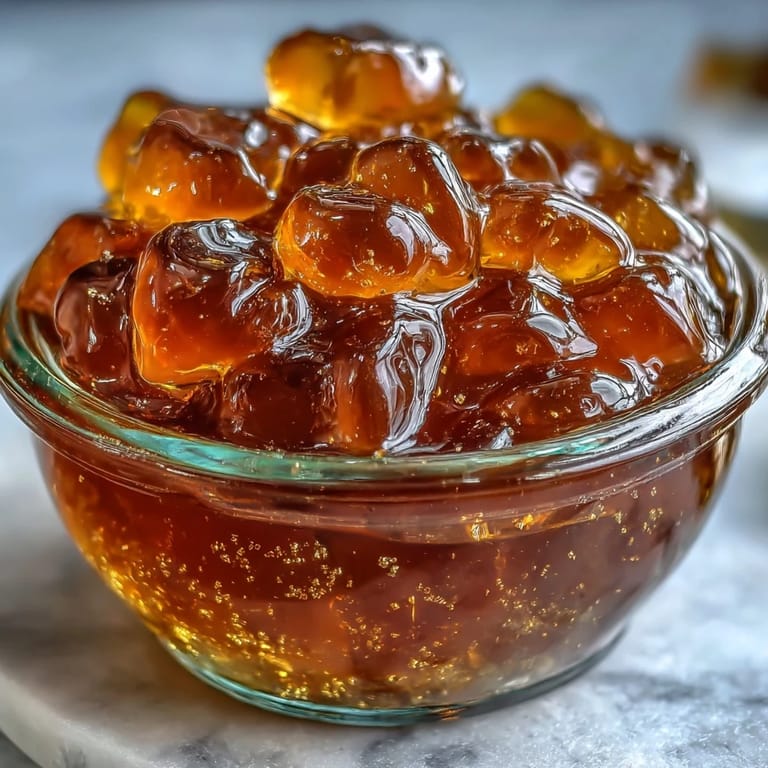
- Lower the jars into a pot of boiling water and process for 5 minutes to ensure they seal safely. Lift them out carefully and let them cool completely on a clean kitchen towel.
 Save
Save There's something almost magical about opening a jar months later and tasting spring again, that moment of pure deliciousness that makes you feel like you've done something clever and resourceful. That's when dandelion jelly stopped being a project and became a small ritual I look forward to every year.
Picking the Perfect Dandelions
The best dandelions come from places you know haven't been sprayed with pesticides—ask your neighbors, scout local parks, or harvest from your own yard if you've been kind to it. Pick on a sunny morning after the dew has dried, when the petals are fully open and the flavor is most concentrated. Avoid roadsides and anywhere cars pass, since those plants absorb every exhaust particle they encounter.
The Science of Setting
Pectin needs both sugar and the right temperature to form that gel network, which is why this recipe is precise about quantities and why boiling matters so much. If your jelly stays syrupy even after 24 hours, it usually means the pectin didn't activate properly, which happens when you reduce sugar or skip the hard boil. Understanding this takes the mystery out of why some batches set and others don't.
Ways to Use Your Dandelion Jelly
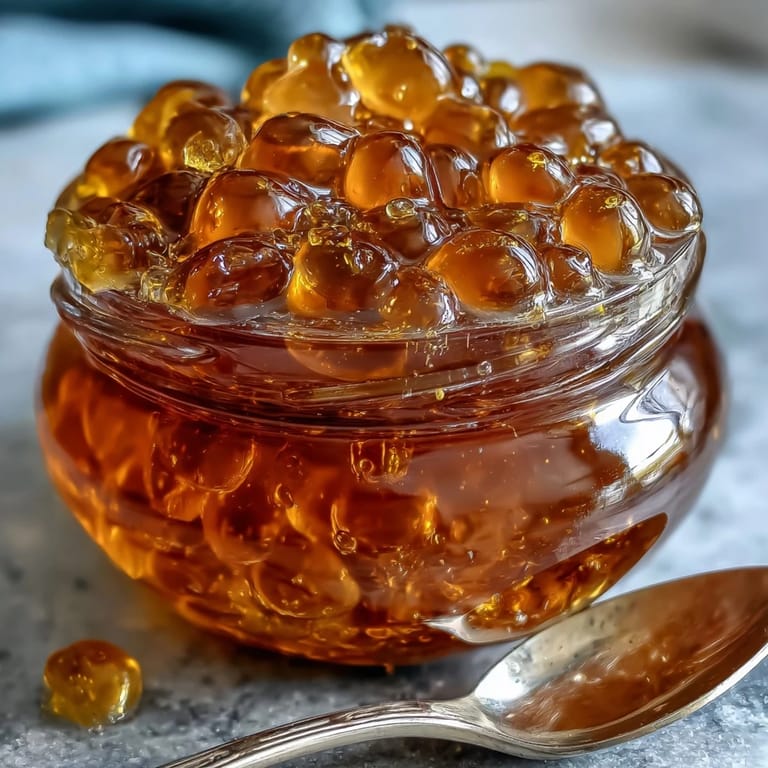
Beyond the obvious toast and pastry applications, this jelly becomes a secret weapon in the kitchen once you start experimenting. Stir it into Greek yogurt for an elegant breakfast, brush it onto warm cakes as a glaze, or swirl it into vanilla ice cream for a floral dessert that surprises everyone. It's sophisticated enough for company but casual enough to enjoy on a quiet morning.
- Spoon it over roasted duck or pork as a bright glaze that cuts through rich meat beautifully.
- Whisk it into salad dressings to add subtle floral notes and natural sweetness without sugar.
- Layer it into a trifle or use it as a filling between cake layers for something truly memorable.
 Save
Save This recipe changed how I see weeds and wildflowers, turning them into something valuable and delicious. Now every spring, I'm out there with my basket, remembering why my neighbor thought to share her meadow in the first place.
Recipe FAQs
- → How do I prepare the dandelion petals before cooking?
Remove all green sepals and stems, reserving only the yellow petals for a pure, vibrant flavor.
- → What is the purpose of steeping the petals after boiling?
Steeping allows the floral aroma and flavors of the dandelions to fully infuse into the water before straining.
- → Can I substitute honey with something else?
Yes, agave syrup can be used as a vegan-friendly alternative while maintaining sweetness.
- → Why is powdered fruit pectin added to the mixture?
Pectin helps the jelly to set properly, giving it the right consistency and spreadability.
- → How should I store the finished jelly?
Store sealed jars in a cool, dark place. Once opened, refrigerate to maintain freshness.
- → What are some serving suggestions for this jelly?
Use it to enhance toast, yogurt, scones, pancakes, or as a glaze for cakes and desserts.